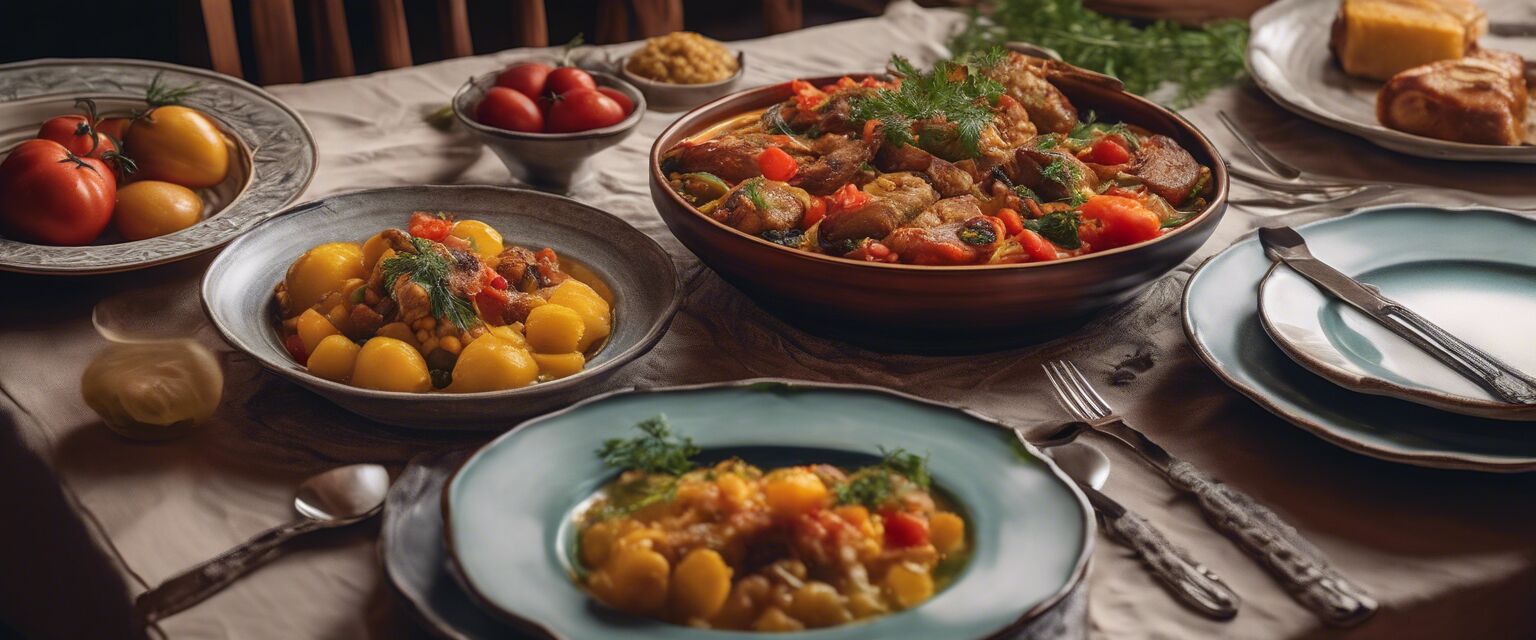
Spanish Chef Profiles
Key Takeaways
- Spanish cuisine is rich in history and diversity.
- Notable chefs have made significant contributions to the culinary world.
- Chefs often highlight regional ingredients and traditional cooking methods.
- Understanding their profiles can enhance your appreciation for Spanish food.
Spain is renowned for its vibrant culinary scene, characterized by a mix of flavors, traditions, and innovative approaches to cooking. This article profiles some of the most notable Spanish chefs, exploring their backgrounds, culinary contributions, and how they have shaped the Spanish food landscape.
Notable Spanish Chefs
| Chef Name | Region | Signature Dish | Culinary Style |
|---|---|---|---|
| Ferran Adrià | Catalonia | Espuma | Molecular gastronomy |
| José Andrés | Asturias | Paella | Spanish-American fusion |
| Elena Arzak | Basque Country | Sea bass with seaweed | Modern Basque cuisine |
| David Muñoz | Madrid | Asian-inspired tapas | Fusion cuisine |
| Andoni Luis Aduriz | Basque Country | Red mullet with tomato | Avant-garde cuisine |
Ferran Adrià
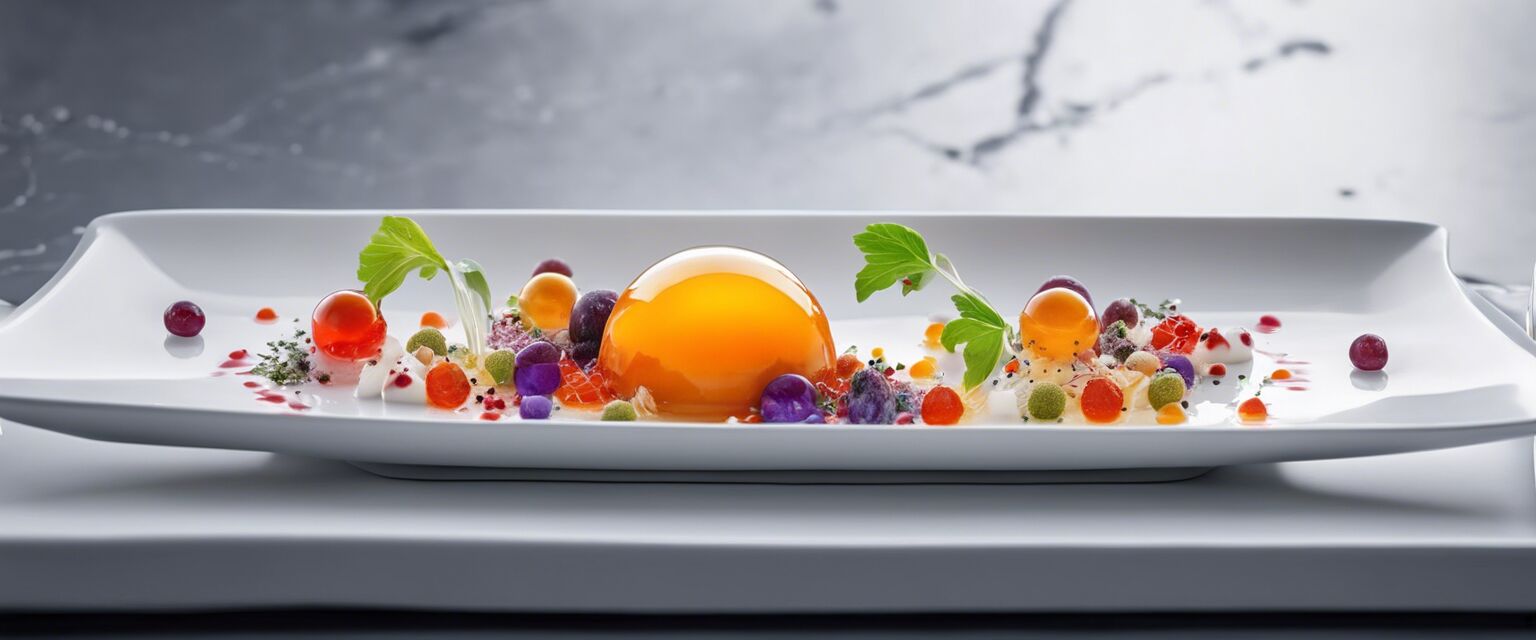
Ferran Adrià is often referred to as the father of molecular gastronomy. His restaurant, El Bulli, was considered one of the best in the world, where he experimented with food textures and flavors, creating dishes like espuma (foam) that transformed traditional cooking.
José Andrés
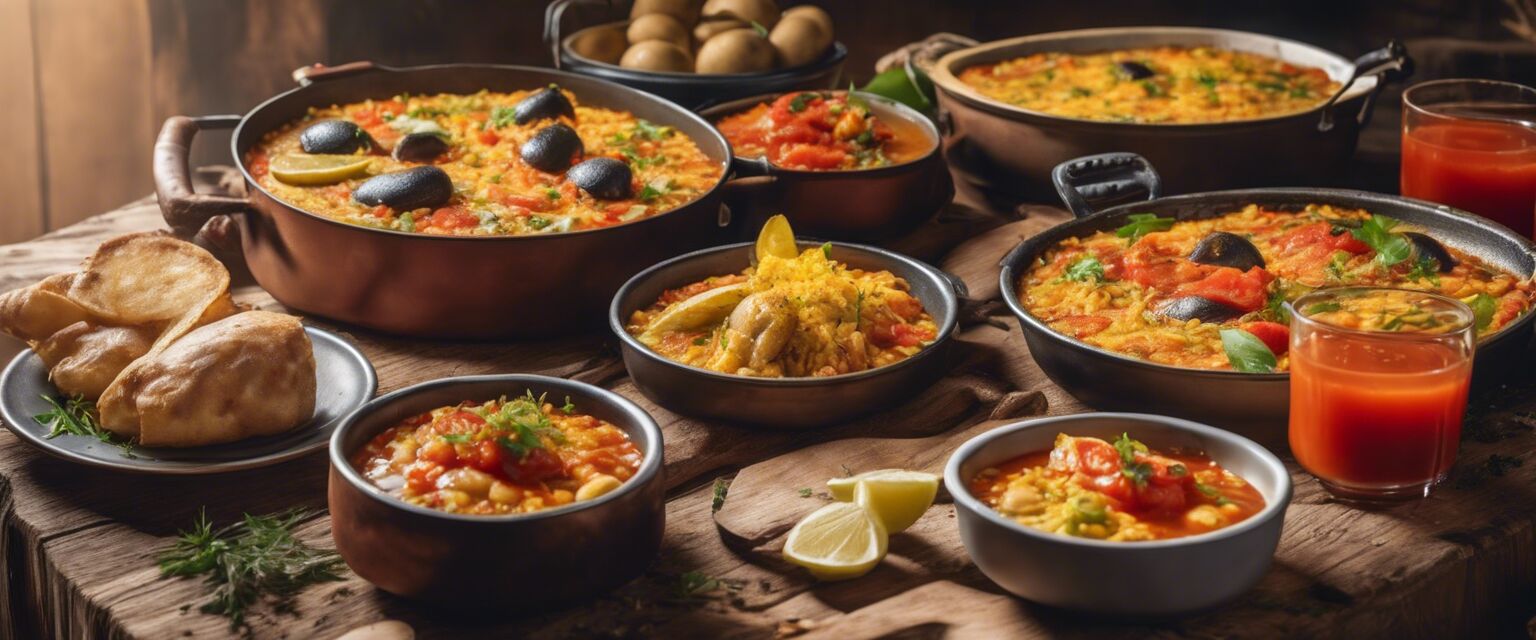
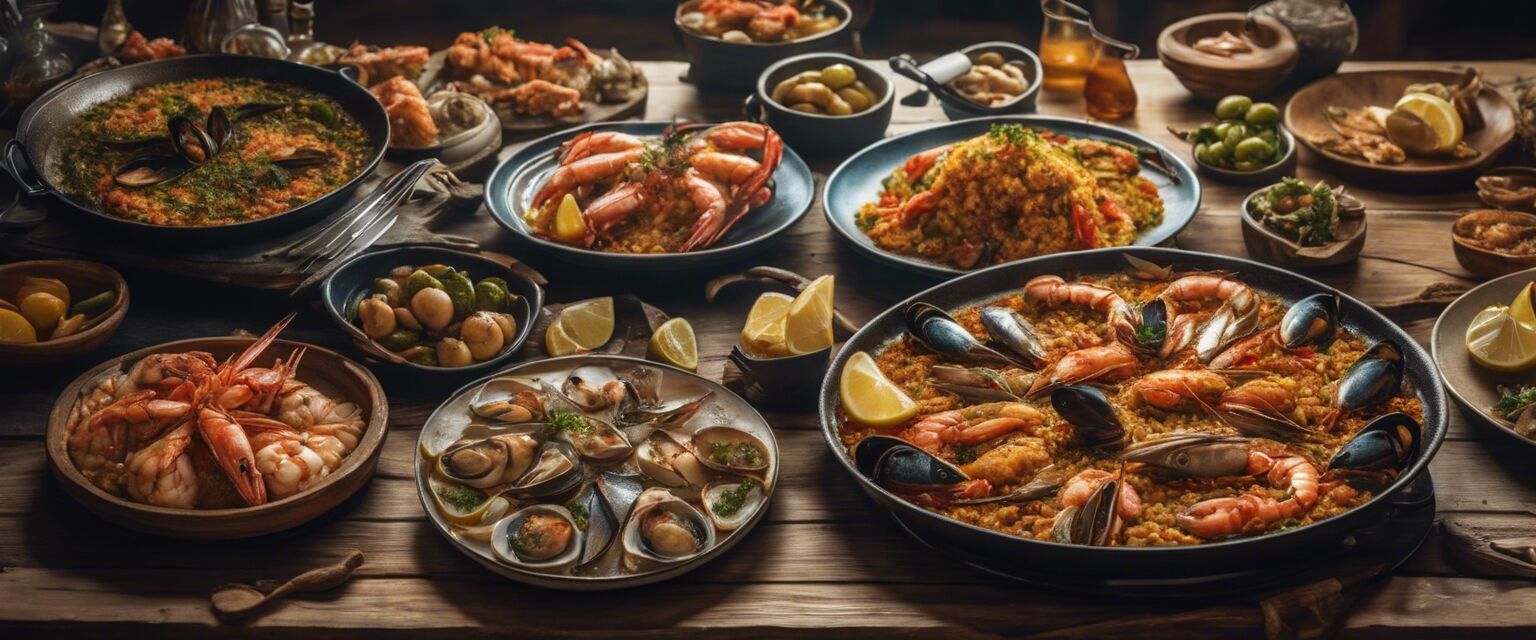
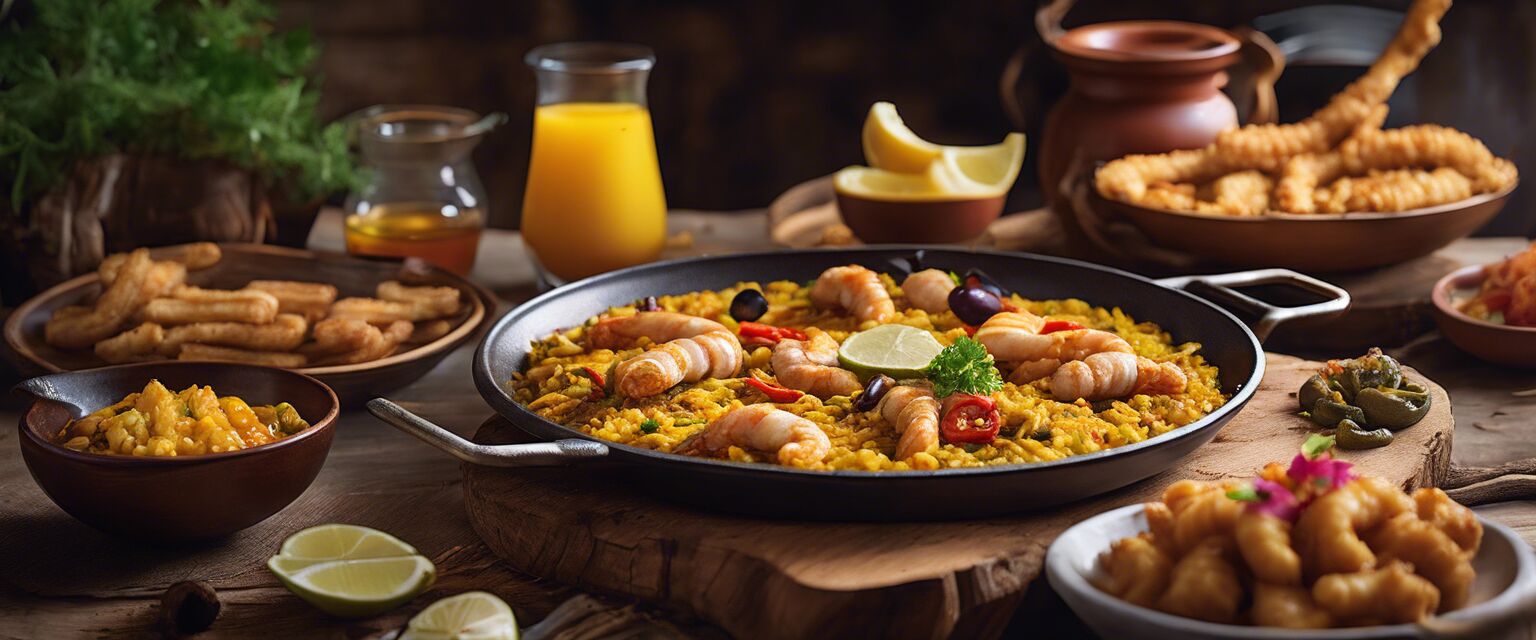
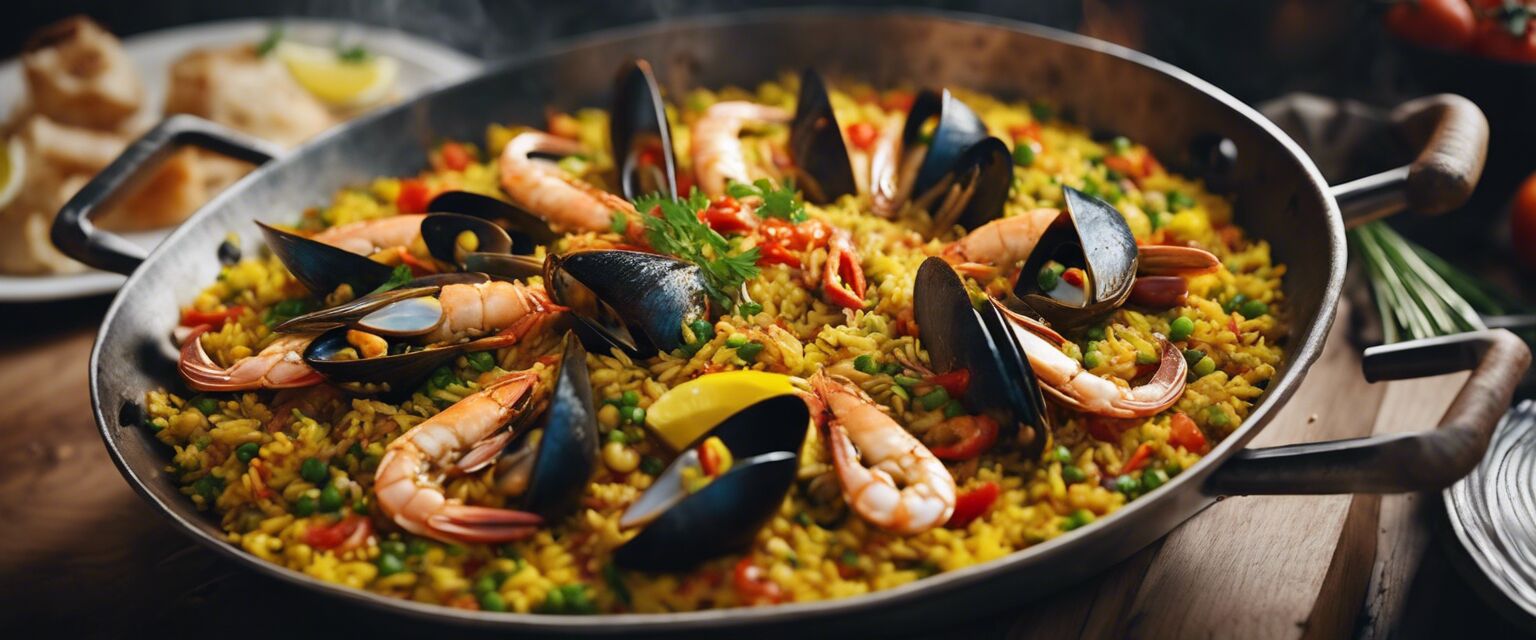
Known for his advocacy of Spanish cuisine in the United States, José Andrés combines traditional Spanish recipes with modern techniques. His famous dish, paella, showcases the flavors of Spain and has become popular worldwide.
Elena Arzak
Elena Arzak, a third-generation chef, focuses on modern interpretations of Basque cuisine. Her innovative dishes highlight local ingredients, such as her sea bass with seaweed, which showcases the rich maritime culture of the Basque region.
David Muñoz
A pioneer of fusion cuisine, David Muñoz blends Spanish flavors with Asian influences. His creative approach has made his restaurant, StreetXO, a must-visit for those looking to experience unique culinary creations.
Andoni Luis Aduriz
As the chef of Mugaritz, Andoni Luis Aduriz is known for his avant-garde style that challenges conventional dining experiences. His dishes often feature unexpected combinations and presentations, such as red mullet with tomato.
Key Contributions to Spanish Cuisine
These chefs have not only elevated Spanish cuisine but also made significant impacts on the global culinary scene. Their dedication to innovation and quality has helped to redefine traditional dishes and inspire future generations.
Explore More About Spanish Cuisine
To dive deeper into the rich world of Spanish food, check out our other articles:
- Gourmet Spanish Snacks
- Herbal Teas and Infusions
- Olive Oils and Vinegars
- Sauces and Condiments
- Specialty Rice and Grains
Tips for Appreciating Spanish Cuisine
- Try regional dishes to understand local flavors.
- Experiment with Spanish ingredients like saffron and chorizo.
- Visit local Spanish restaurants to experience authentic meals.
- Pair your dishes with traditional Spanish wines for a complete experience.
Pros
- Diverse culinary styles from different regions.
- Innovative approaches to traditional dishes.
- Focus on quality ingredients.
Cons
- Some dishes may be difficult to recreate at home.
- Access to certain ingredients may be limited outside Spain.