Spanish Cooking Techniques
Key Takeaways
- Spanish cooking emphasizes regional diversity and traditional techniques.
- Common ingredients include olive oil, garlic, and paprika.
- Preparation methods range from grilling and frying to stewing and baking.
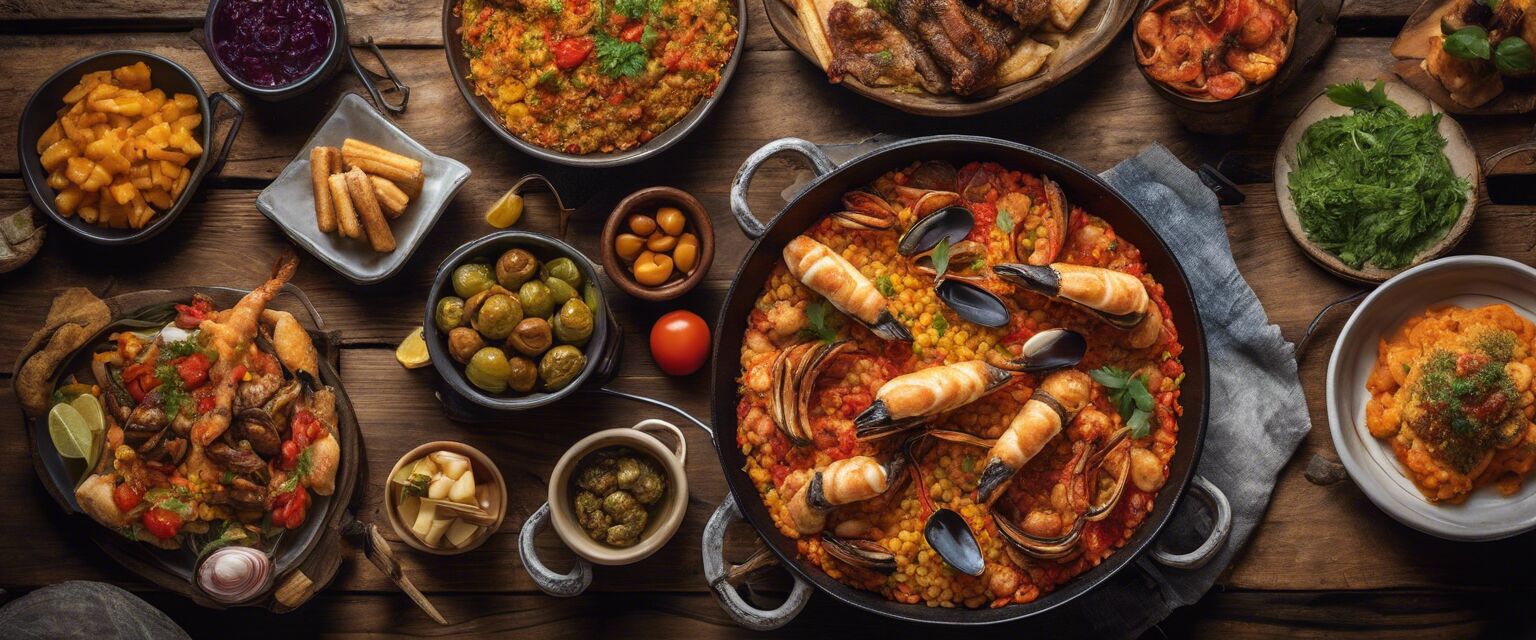
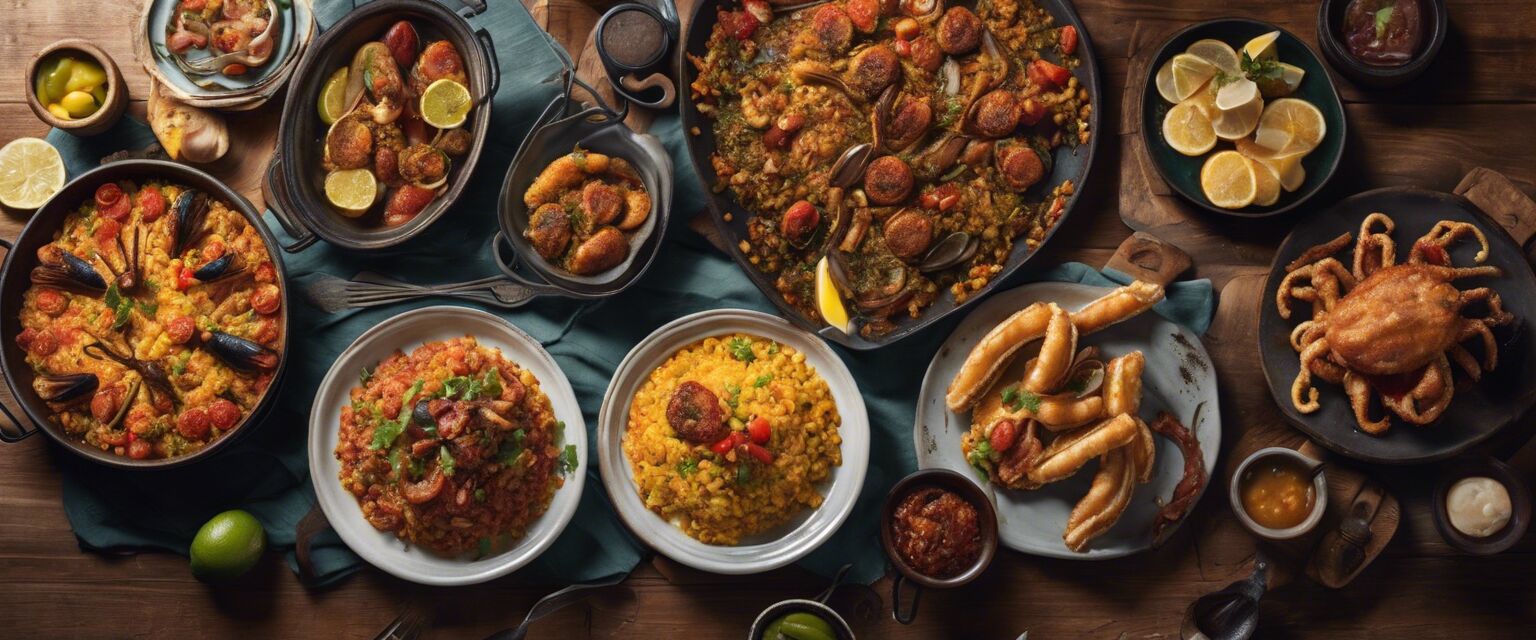
Traditional Spanish cooking reflects the rich culture and diversity of regions across Spain. From the Mediterranean coast to the plains and mountains, the techniques and tools used vary widely, showcasing the importance of local ingredients. This article will explore common Spanish cooking techniques and essential kitchen tools used to create some of the most beloved Spanish dishes.
1. Essential Spanish Cooking Techniques
Sautéing
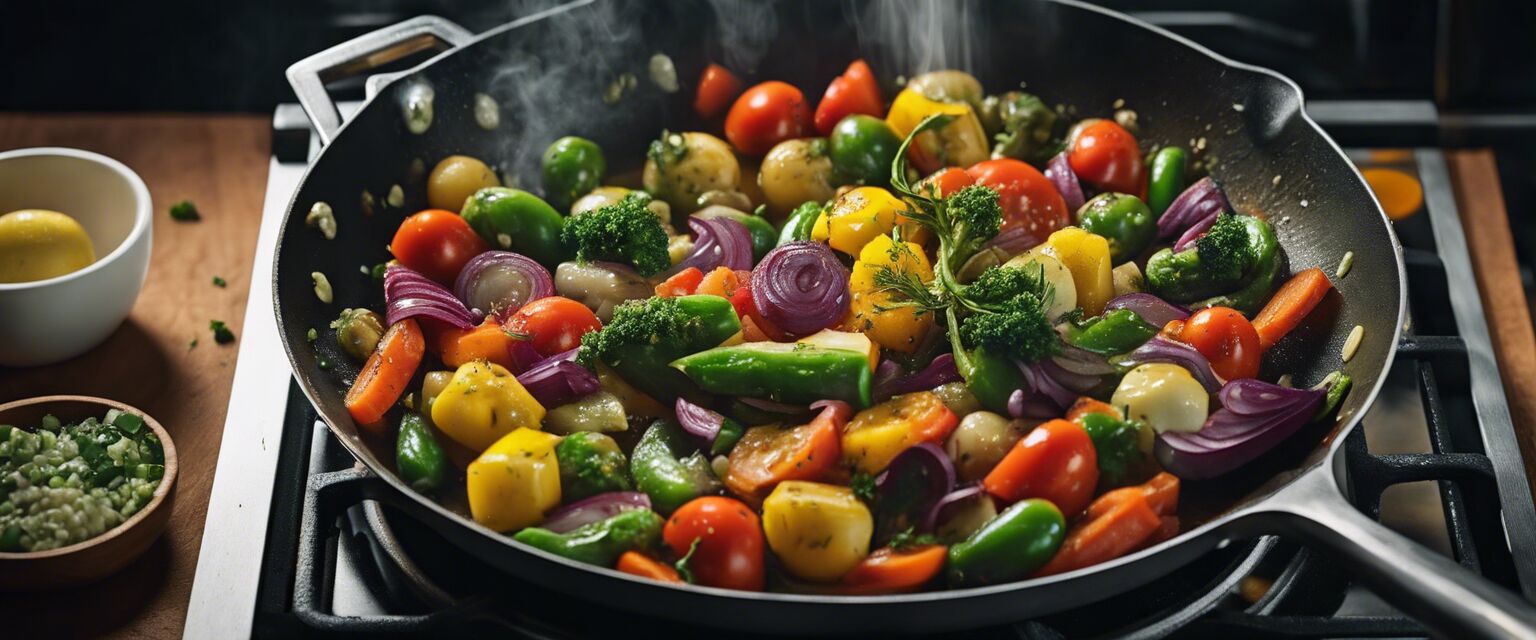
Sautéing is a fundamental technique in Spanish cuisine. Ingredients are cooked quickly in a small amount of oil over high heat. This method helps retain flavor and texture.
Grilling
Grilling is popular in Spanish cuisine, especially with meats and vegetables. Whether using a plancha (a traditional Spanish grill) or an outdoor barbecue, grilling imparts a smoky flavor to dishes.
Stewing
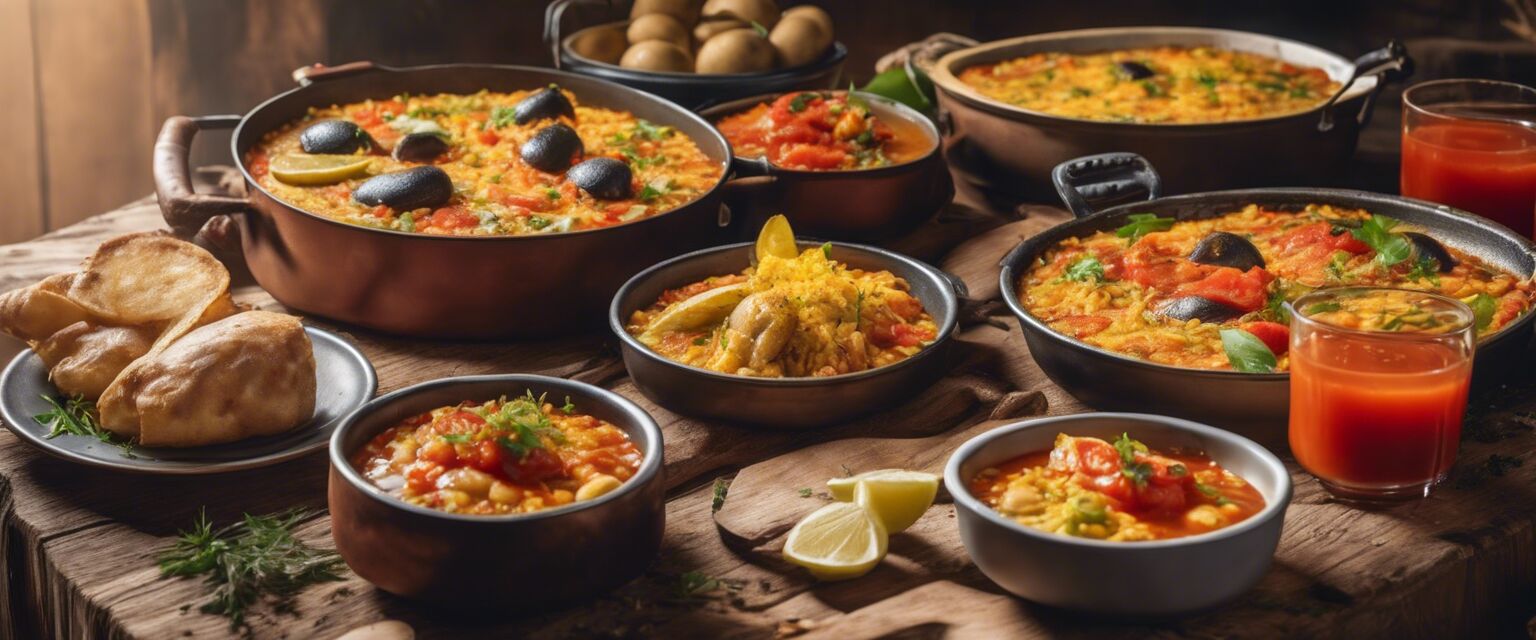
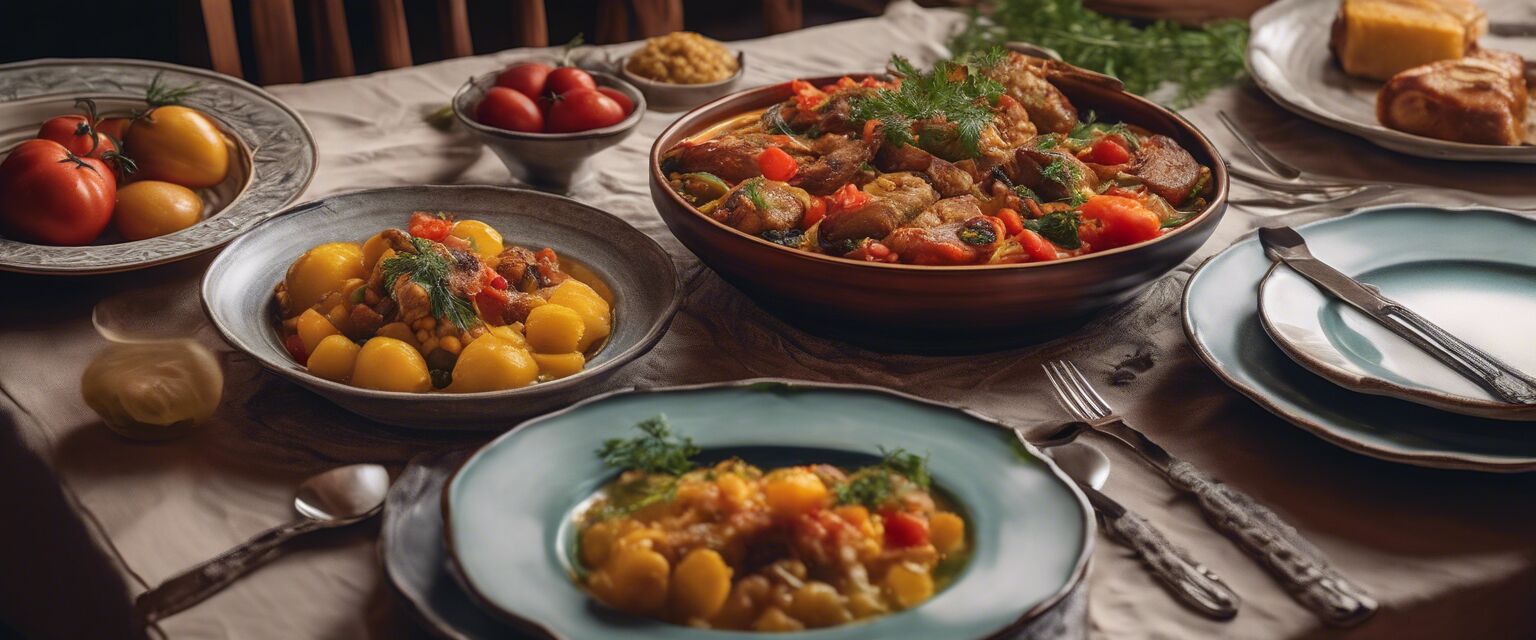
Stewing is essential for preparing hearty Spanish dishes like Goulash or Caldo Gallego. This slow-cooking method allows flavors to meld beautifully.
Frying
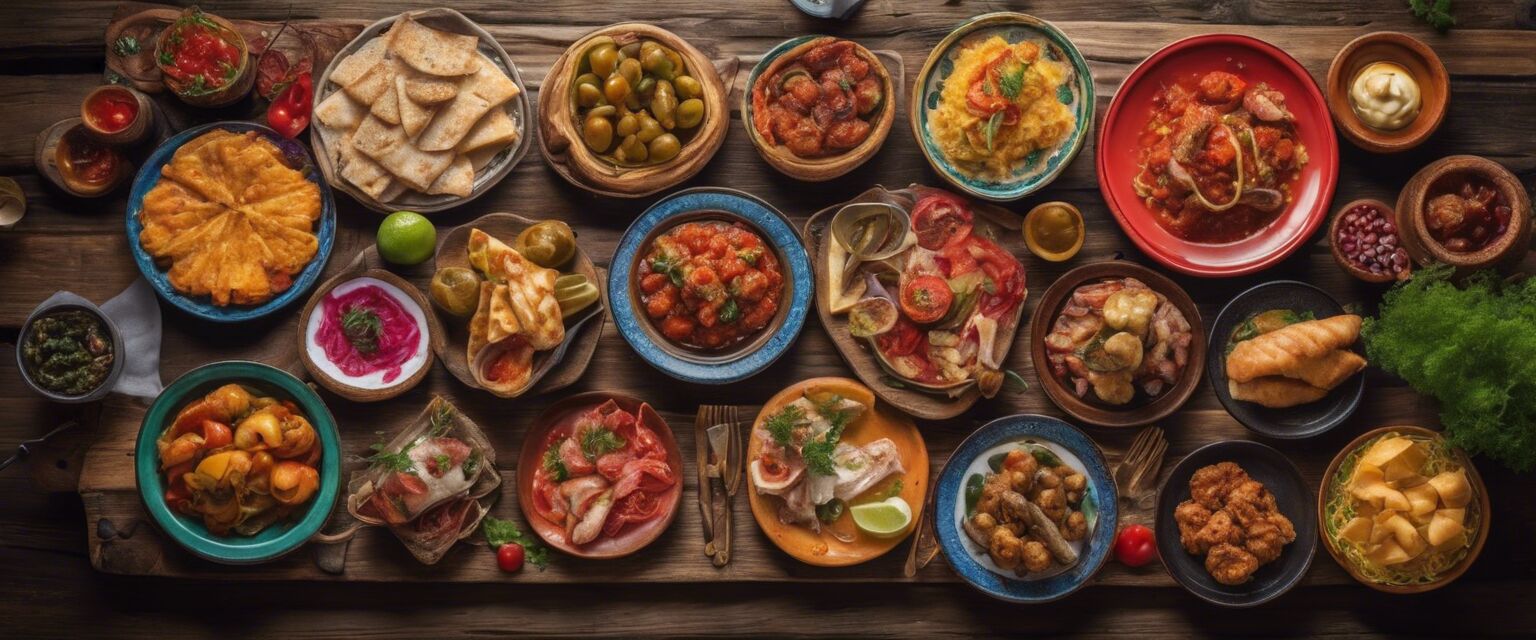
Frying is another common technique in Spanish cooking, particularly for tapas. Typical dishes include Churros and Patatas Bravas. A Spanish home often has a designated frying pan for these dishes.
Baking
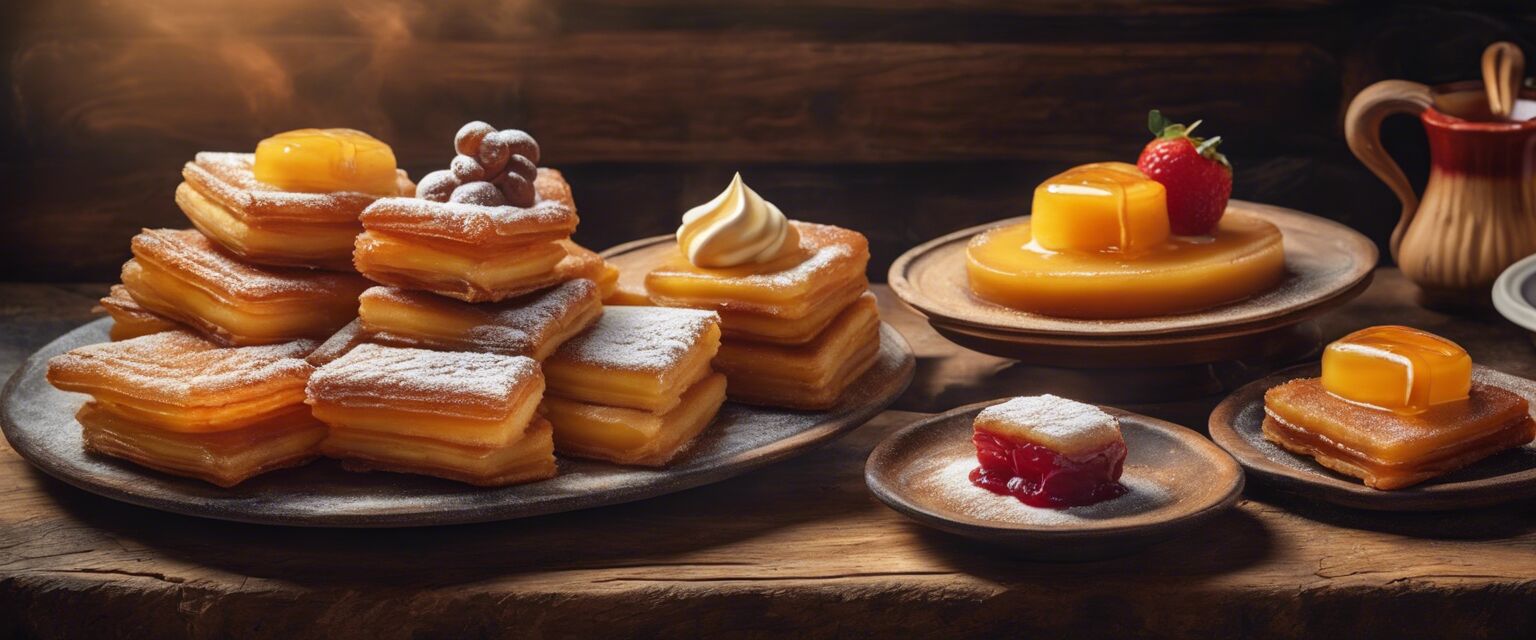
Many Spanish desserts are baked rather than fried, including Tarta de Santiago and Flan. Baking requires an oven, which is a staple in Spanish kitchens.
2. Traditional Spanish Kitchen Tools
Olive Oil Dispenser
Spanish cooking uses a considerable amount of olive oil. A decorated olive oil dispenser can be a focal point in the kitchen.
Paella Pan
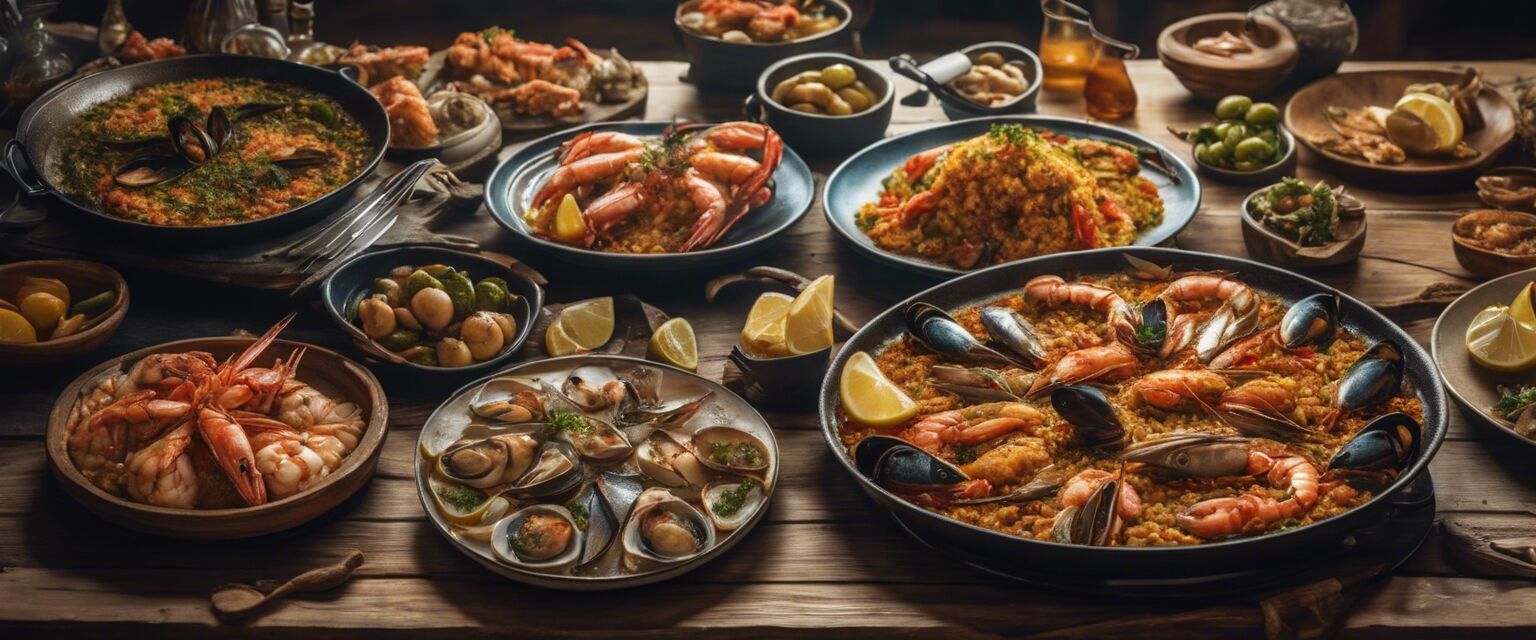
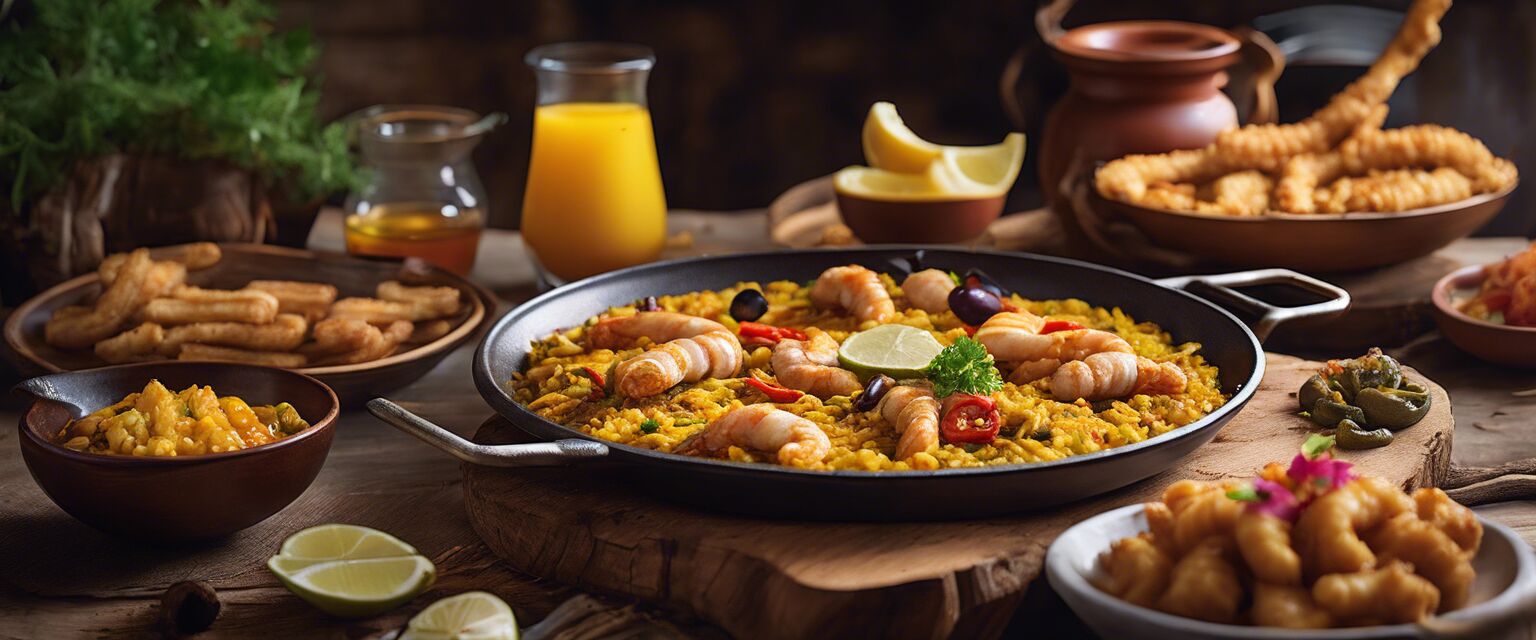
This wide, shallow pan is perfect for cooking paella, a dish that combines various ingredients for a colorful and flavorful meal.
Mortar and Pestle
Used for grinding spices and making pastes, the mortar and pestle is vital in flavoring many Spanish dishes.
Cast Iron Skillet
A cast iron skillet is versatile and can be used for various techniques from sautéing to baking. It's especially popular for making dishes like Tortilla Española.
3. Regional Variations
Spain has 17 autonomous communities, each with unique culinary traditions. Hereâs how a few regions differ:
| Region | Common Ingredients | Signature Dish |
|---|---|---|
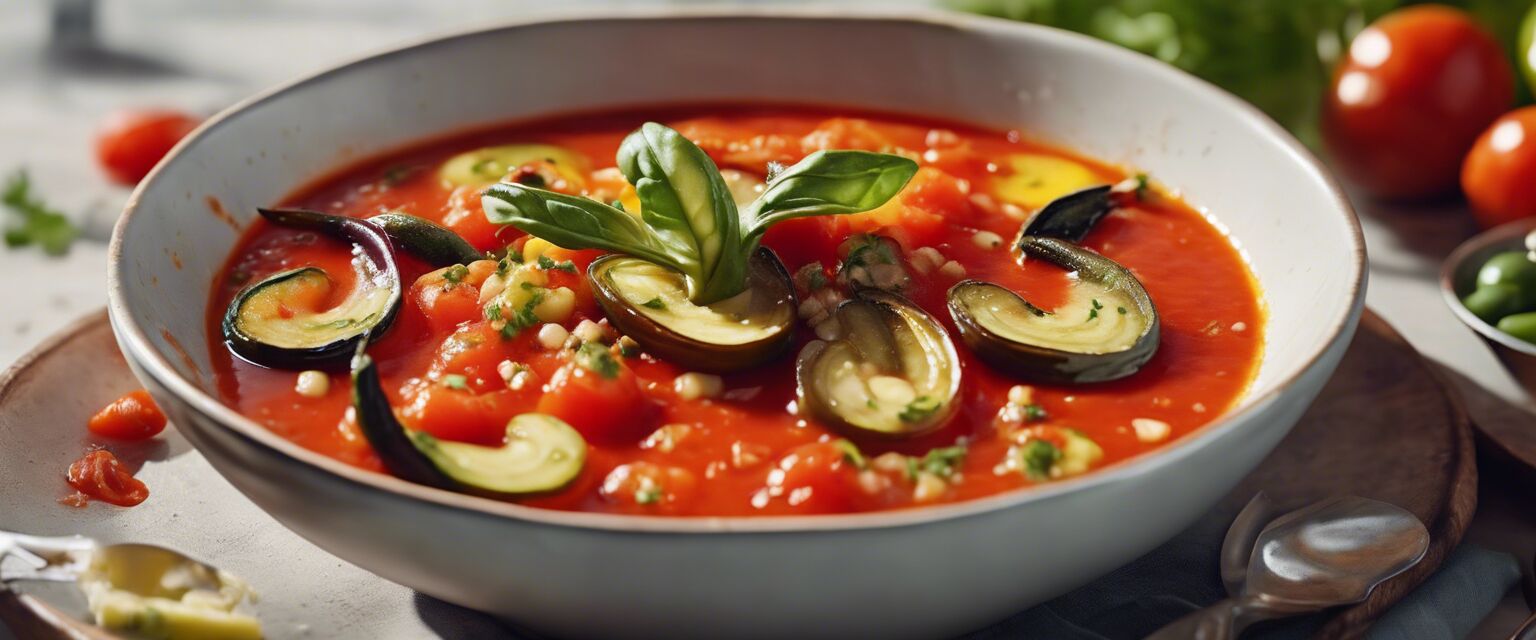
| Andalusia | Seafood, olive oil, herbs | Gazpacho |
| Catalonia | Meats, vegetables, nuts | Escudella i Carn d'Olla |
| Valencia | Rice, saffron, beans | Paella |
| Basque | Fish, peppers, cider | Pintxos |
4. Tips for Beginners
- Start simple with basic recipes like Tapas to ease into Spanish cooking.
- Invest in a good olive oil for authentic flavor.
- Don't rush. Many techniques require patience for the best results.
- Explore different spices and seasonings to enhance your dishes.
Conclusion
Mastering Spanish cooking techniques opens the door to a world of flavors. By understanding the importance of regional ingredients and traditional methods, anyone can create authentic Spanish dishes in their own kitchen.
Pros
- Rich flavors and diverse dishes.
- Healthy use of natural ingredients.
- Encourages creativity and personal expression in cooking.
- Community, sharing meals, and traditions.
Cons
- Can be time-consuming to prepare traditional dishes.
- Requires specific ingredients that may not be available everywhere.
- Some techniques may require specific equipment.