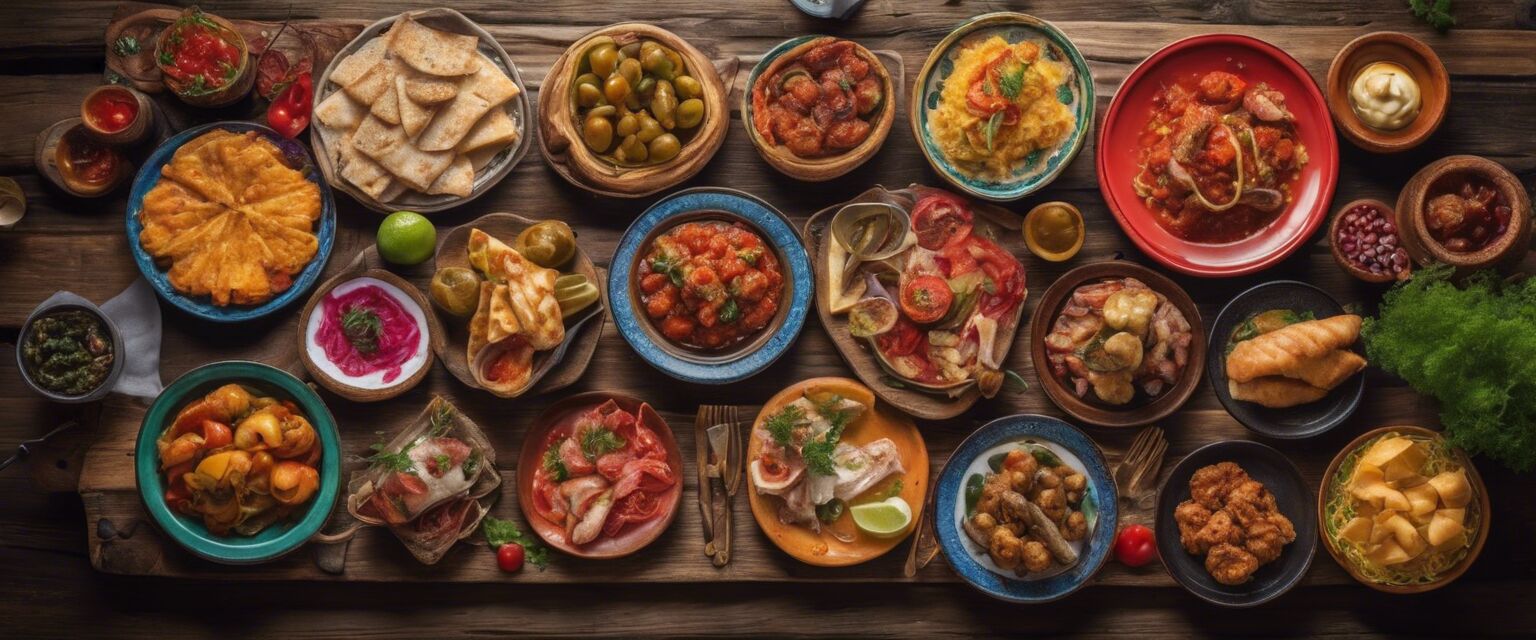
Spanish Tapas Guide
Key Takeaways
- Tapas are small dishes originating from Spain, perfect for sharing.
- There are numerous regional variations, each with unique ingredients and flavors.
- Common tapas include patatas bravas, gambas al ajillo, and jamón ibérico.
- Pairing tapas with the right drinks enhances the experience.
- Making tapas at home can be simple and enjoyable.
Spanish tapas are more than just small plates; they are a cultural experience that brings people together over delicious food. Whether you're in a bustling bar in Madrid or enjoying a quiet evening at home, tapas offer a way to savor a variety of flavors and ingredients. In this comprehensive guide, we'll explore different types of tapas, regional variations, and some easy recipes you can try at home.
What are Tapas?
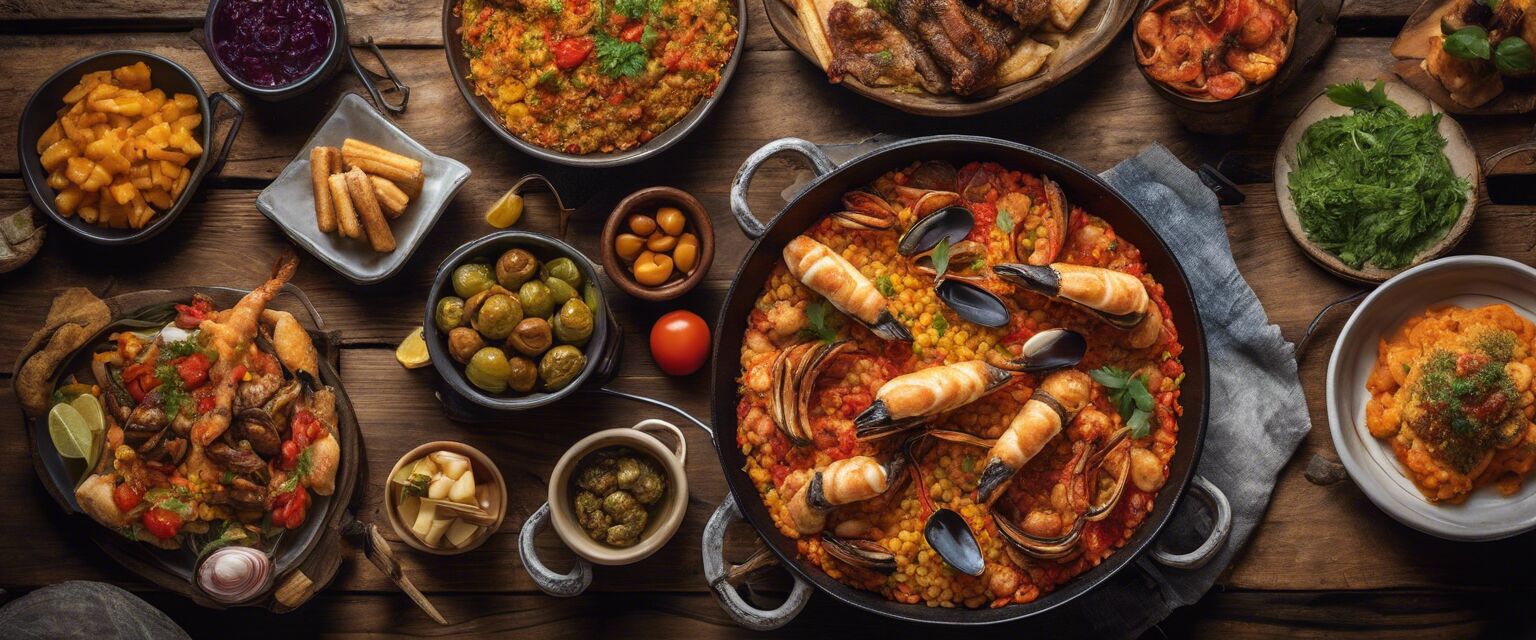
Tapas are small portions of food that originated in Spain. Traditionally served with drinks, they encourage socializing and sharing among friends and family. The word "tapa" translates to "lid" in Spanish, as these small dishes were originally used to cover drinks.
Popular Types of Tapas
| Tapas Name | Description |
|---|---|
| Patatas Bravas | Fried potatoes served with a spicy tomato sauce. |
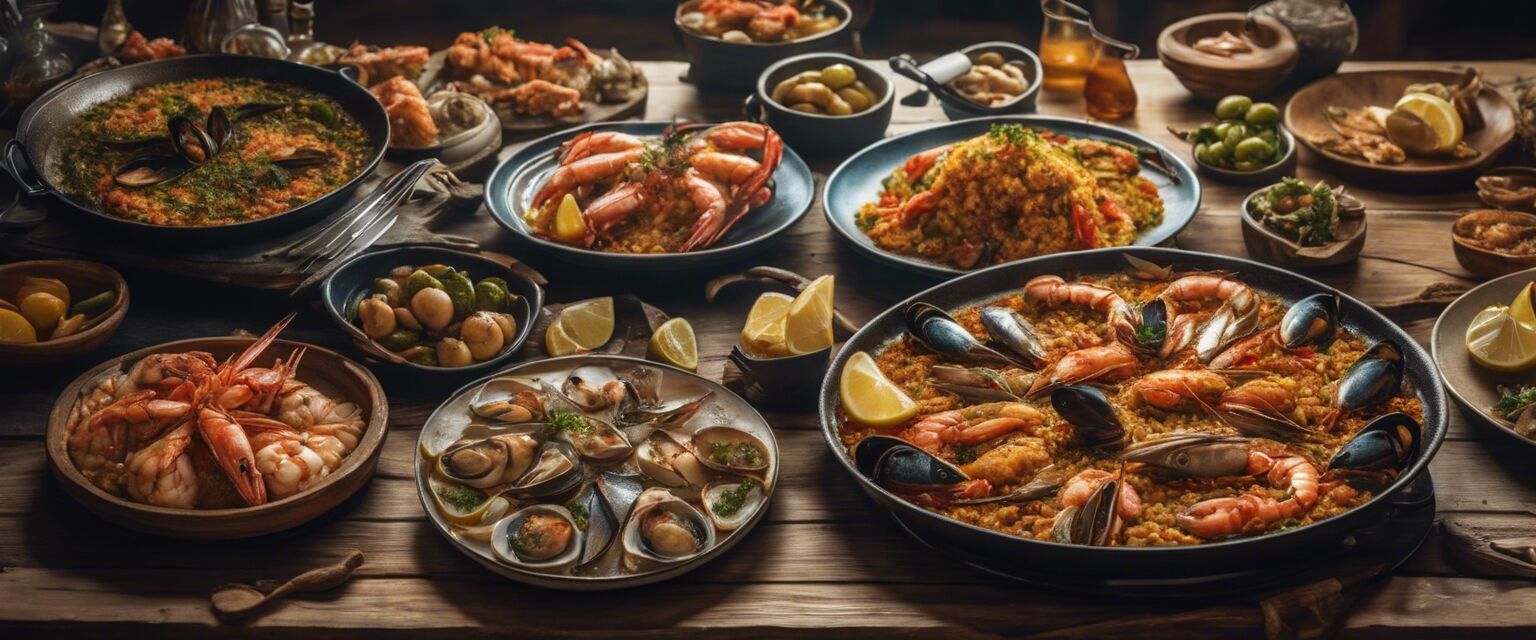
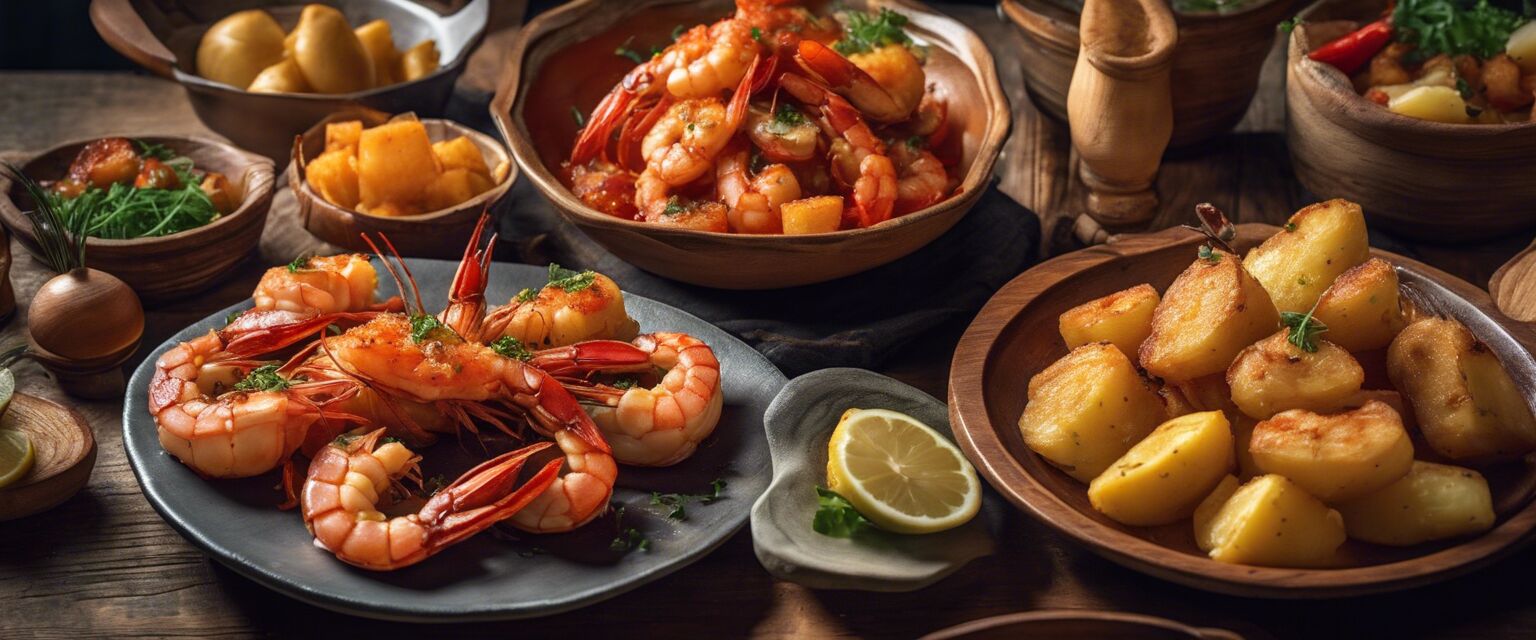
| Gambas al Ajillo | Sautéed shrimp in garlic and olive oil. |
| Jamón Ibérico | High-quality cured ham, often served with bread. |
| Chorizo al Vino | Chorizo sausage cooked in red wine. |
| Paté de Cabracho | Fish pâté, typically served with bread or crackers. |
Regional Variations of Tapas
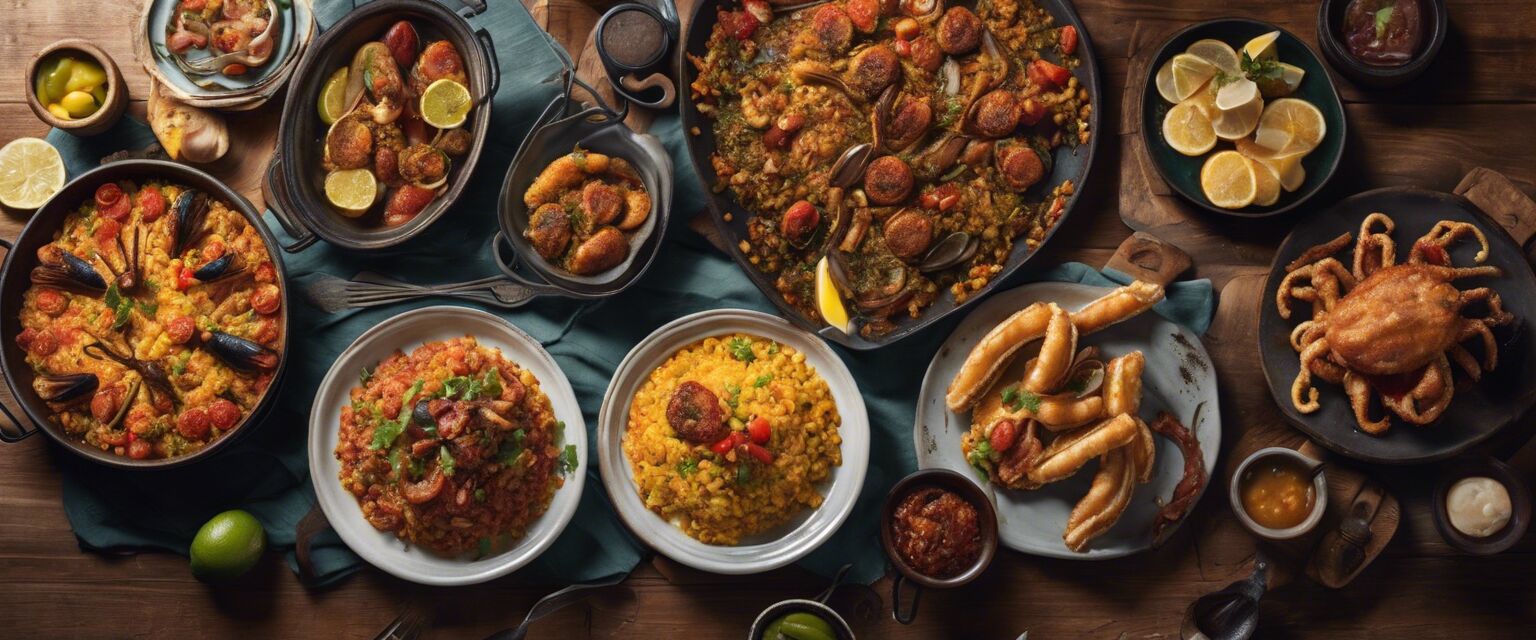
Different regions of Spain have unique takes on tapas, often using local ingredients and traditional recipes. Here are some notable regional variations:
- Andalusia: Known for seafood tapas like fried fish and octopus.
- Catalonia: Features dishes like escalivada (grilled vegetables) and pan con tomate (bread with tomato).
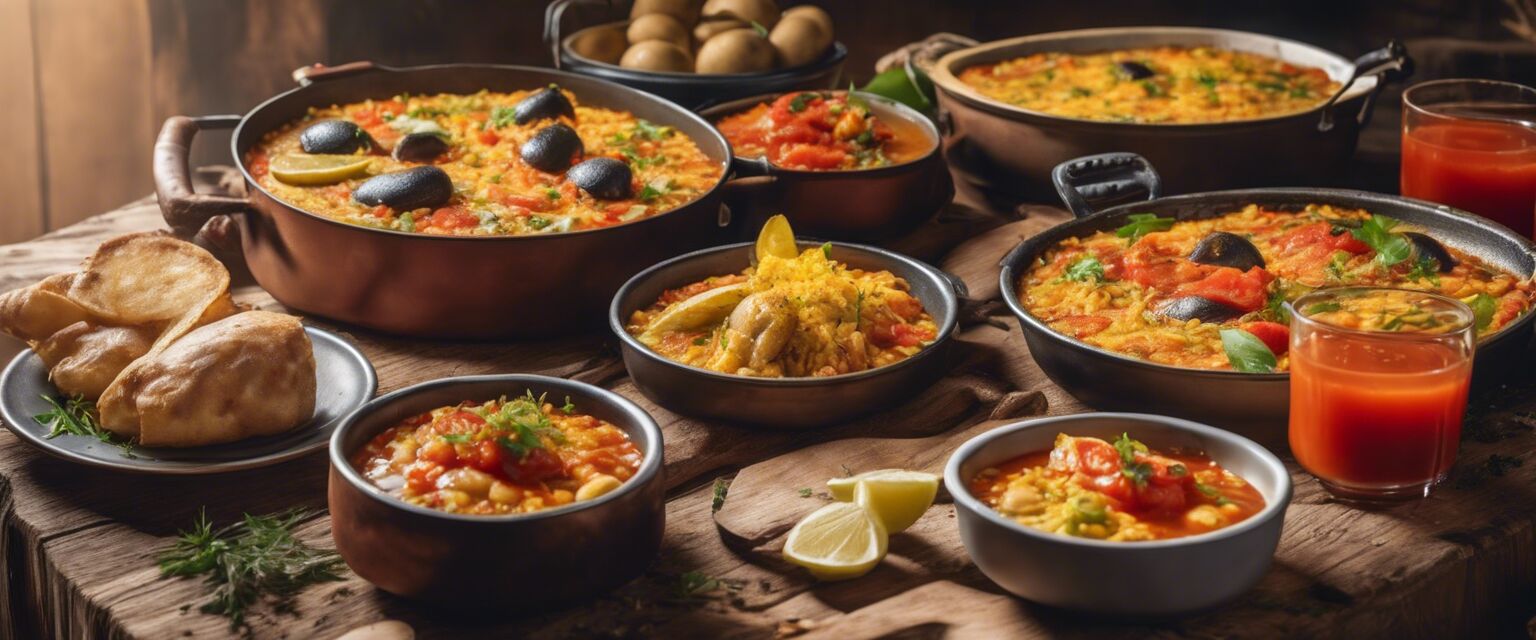
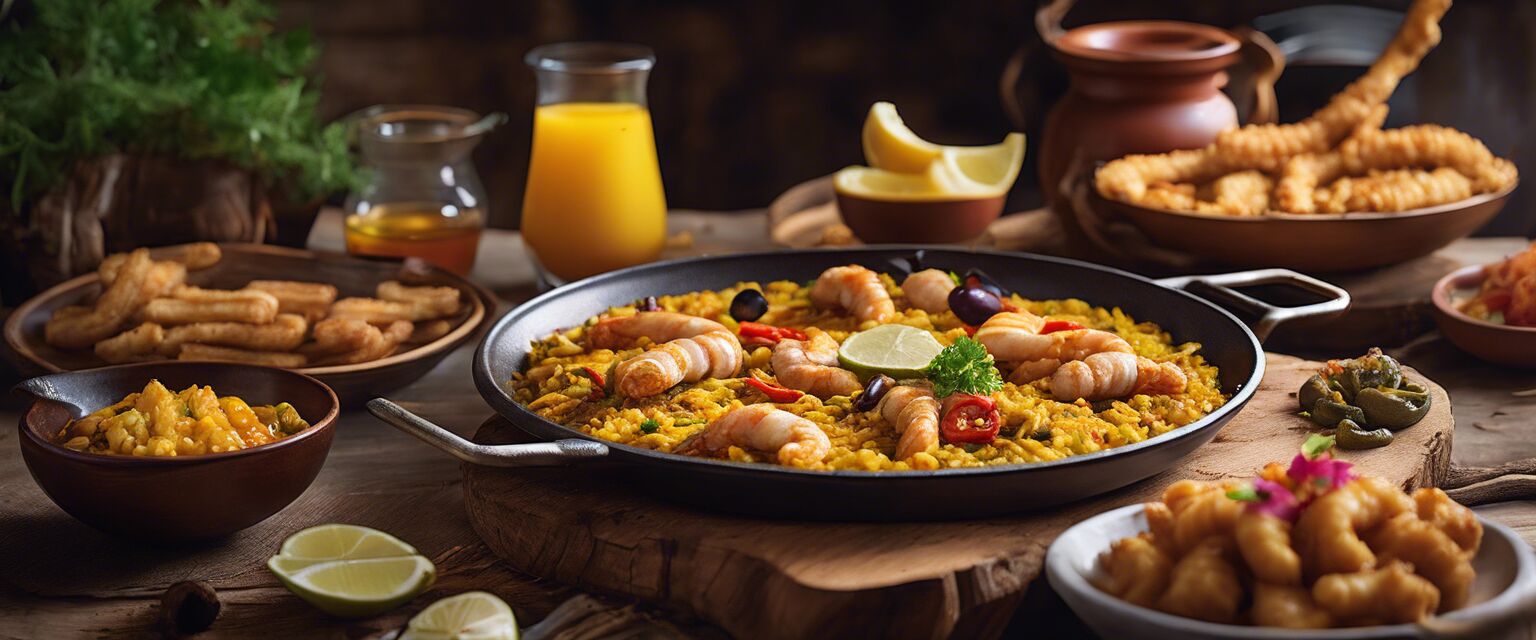
- Valencia: Famous for its paella, which can also be served in tapas form.
- Basque Country: Offers pintxos, which are similar to tapas but often served on a skewer.
Easy Tapas Recipes to Try at Home
Making tapas at home can be a rewarding experience. Here are three simple recipes to get you started:
1. Patatas Bravas
- Peel and cut potatoes into cubes.
- Fry the potatoes in olive oil until golden brown.
- Prepare a spicy tomato sauce using garlic, onions, and chili peppers.
- Serve the potatoes topped with the sauce.
2. Gambas al Ajillo
- Heat olive oil in a pan and add minced garlic.
- Add shrimp and sauté until they turn pink.
- Season with salt and a pinch of red pepper flakes.
- Serve hot with crusty bread.
3. Spanish Tortilla
- Peel and slice potatoes thinly.
- Sauté potatoes in olive oil until soft.
- Whisk eggs and mix with the potatoes.
- Cook the mixture in a pan until set, then flip to cook both sides.
Pairing Drinks with Tapas
Choosing the right drink can elevate your tapas experience. Here are some popular pairings:
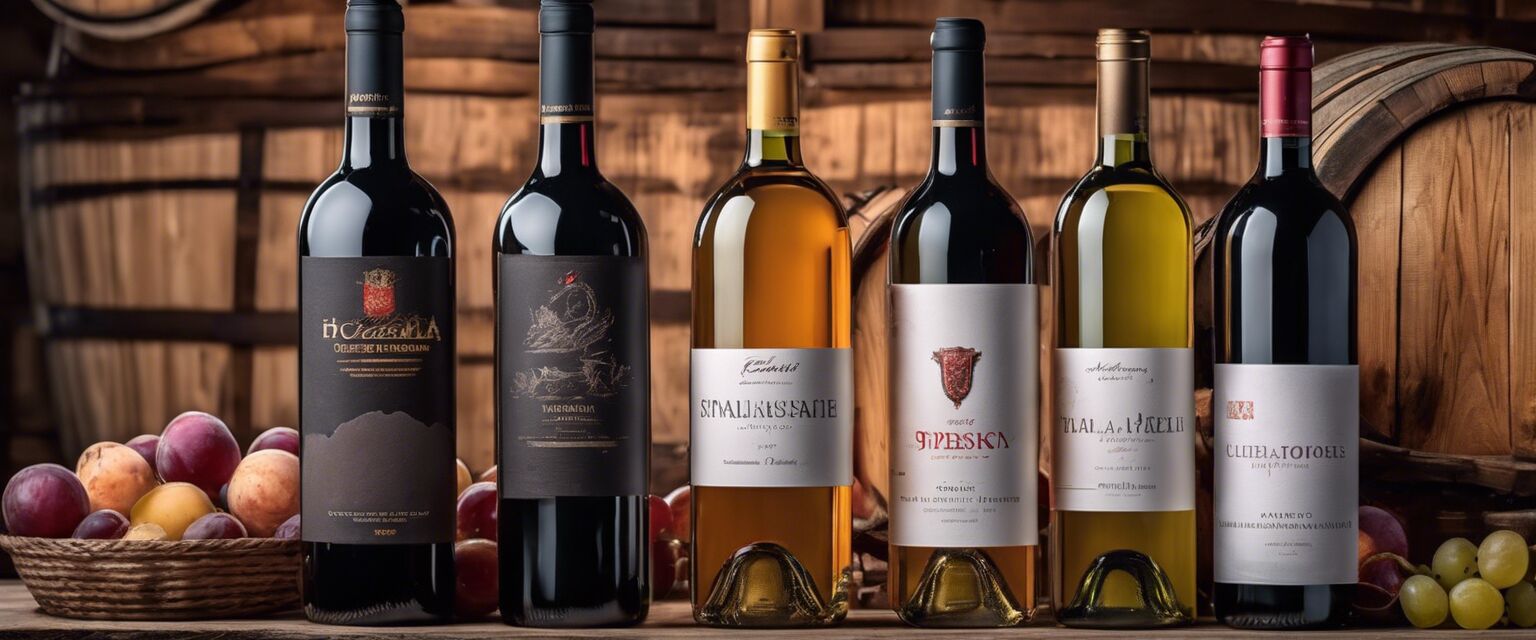
- Red Wine: Pairs well with chorizo and red sauce dishes.
- White Wine: Complements seafood tapas like gambas al ajillo.
- Sangria: A fruity option that goes well with a variety of flavors.
- Beer: Light beers pair nicely with fried tapas.
Where to Find the Best Tapas in Spain
While you can create delicious tapas at home, experiencing them in Spain is unmatched. Here are some of the best cities for tapas:
| City | Highlights |
|---|---|
| Seville | Known for vibrant tapas bars and a lively atmosphere. |
| Barcelona | Offers a mix of traditional and modern tapas experiences. |
| Madrid | Home to famous tapas streets like Calle Cava Baja. |
| Granada | Many bars serve free tapas with drinks. |
Tips for Making Tapas
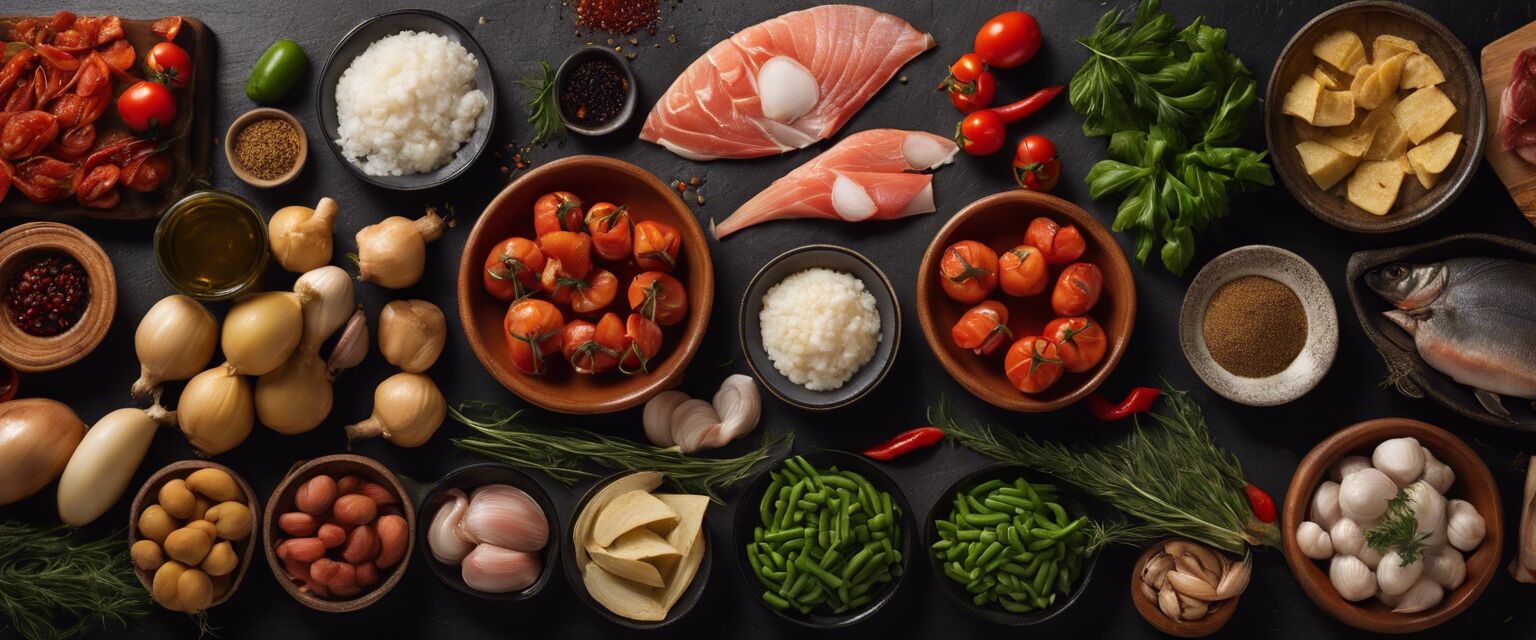
- Use high-quality ingredients, especially olive oil and spices.
- Don’t be afraid to experiment with flavors and textures.
- Presentation matters – arrange your dishes beautifully.
- Enjoy the process and share with friends and family.
Pros
- Versatile and can cater to different dietary preferences.
- Encourages social interaction and sharing.
- Easy to customize based on personal taste.
- Can be healthy with the right ingredients.
Cons
- Can be time-consuming to prepare multiple dishes.
- Some ingredients might be hard to find in certain areas.
- May require a bit of practice to get the recipes right.
Conclusion
Spanish tapas are a delightful way to explore the rich flavors of Spain. Whether you dine out or create a tapas night at home, these small dishes promise a culinary journey filled with variety and enjoyment. Explore regional specialties and don’t hesitate to try new recipes. ¡Buen provecho!