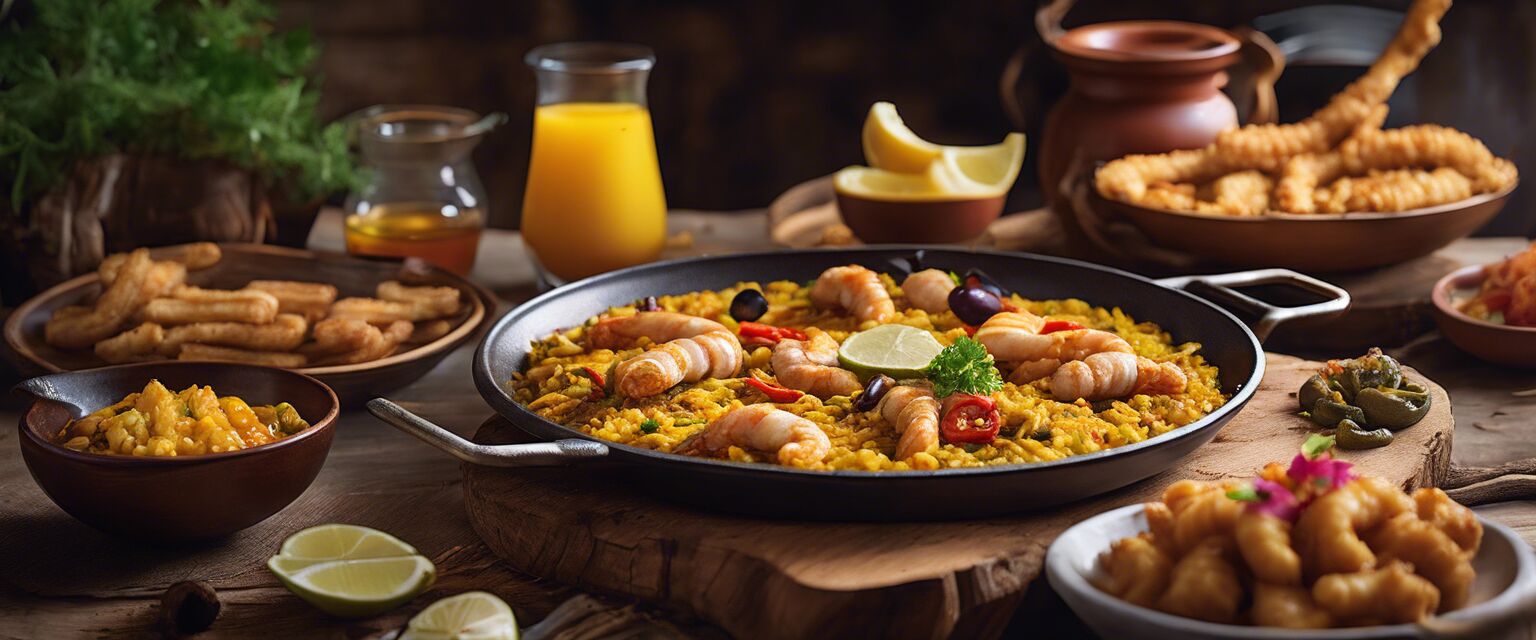
Spanish Food History
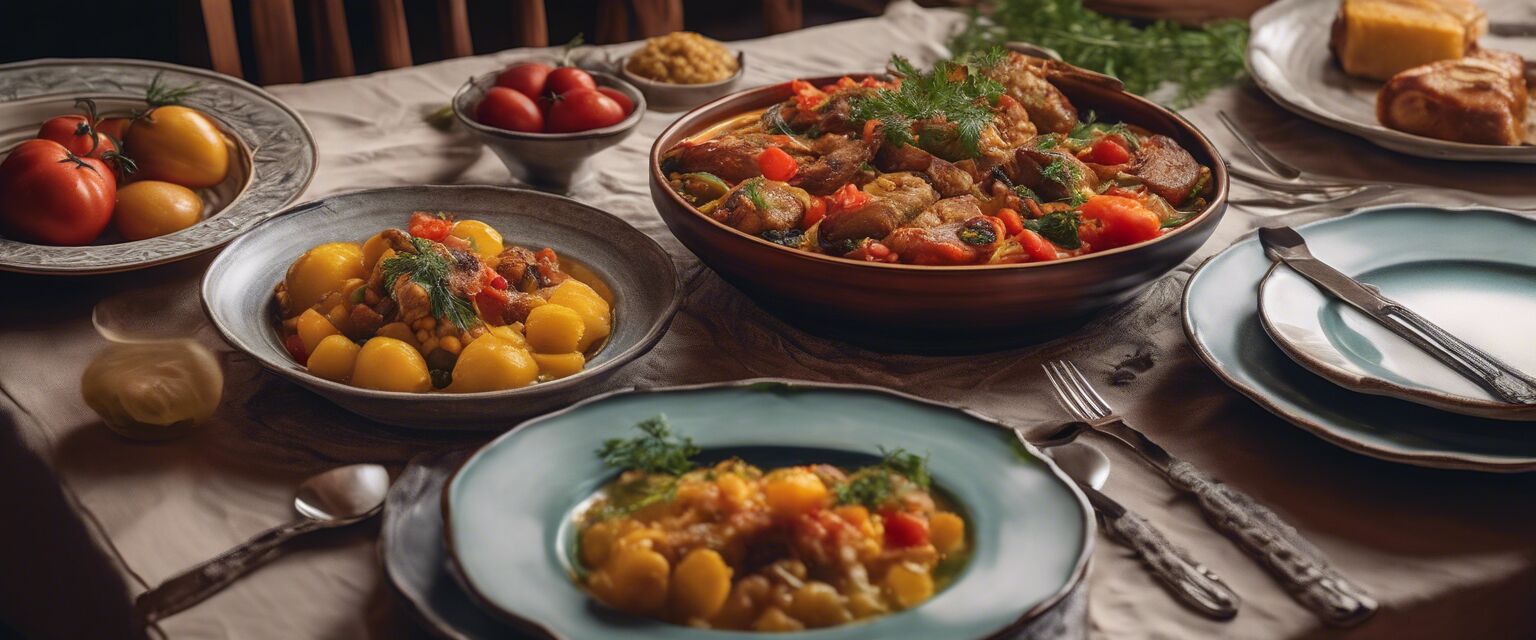
- Spanish cuisine is a blend of regional diversity and historical influences.
- Key ingredients like olive oil, garlic, and paprika define many traditional dishes.
- Popular dishes vary from region to region, highlighting local ingredients.
- Spainâs rich culture is reflected in its food traditions, such as tapas.
- Understanding the history of Spanish food enhances the dining experience.
Spanish cuisine is renowned for its rich flavors, diverse ingredients, and varied regional dishes. It reflects a plethora of historical influences, from ancient civilizations to modern global trends. Understanding the journey of Spanish food will not only elevate your culinary experience but also provide insight into the culture of Spain.
Historical influences on Spanish cuisine
Spanish food history can be traced back to various civilizations that have inhabited the Iberian Peninsula. Each civilization left its mark, contributing to the cuisines we know today.
| Civilization | Key Contributions |
|---|---|
| Romans | Introduced olive cultivation and techniques for preserving food. |
| Moors | Introduced spices, rice, citrus fruits, and advanced agricultural methods. |
| Sephardic Jews | Influenced flavor profiles and cooking methods, integrating sweet and savory elements. |
Regional diversity in Spanish food
Spain's geography is as diverse as its cuisine, with each region having its own specialties and ingredients that reflect the local culture and resources.
Key regions and their specialties
| Region | Specialty Dish | Main Ingredients |
|---|---|---|
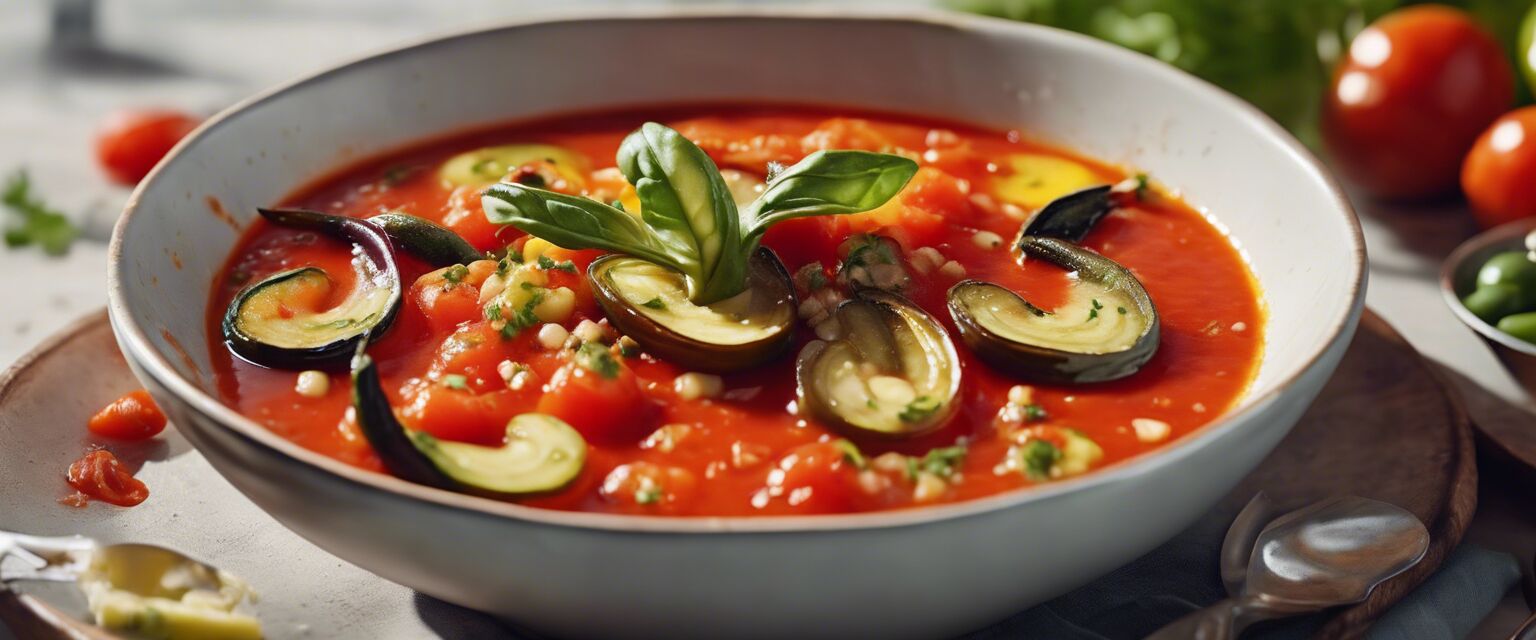
| Andalusia | Gazpacho | Tomatoes, cucumbers, bell peppers, garlic |
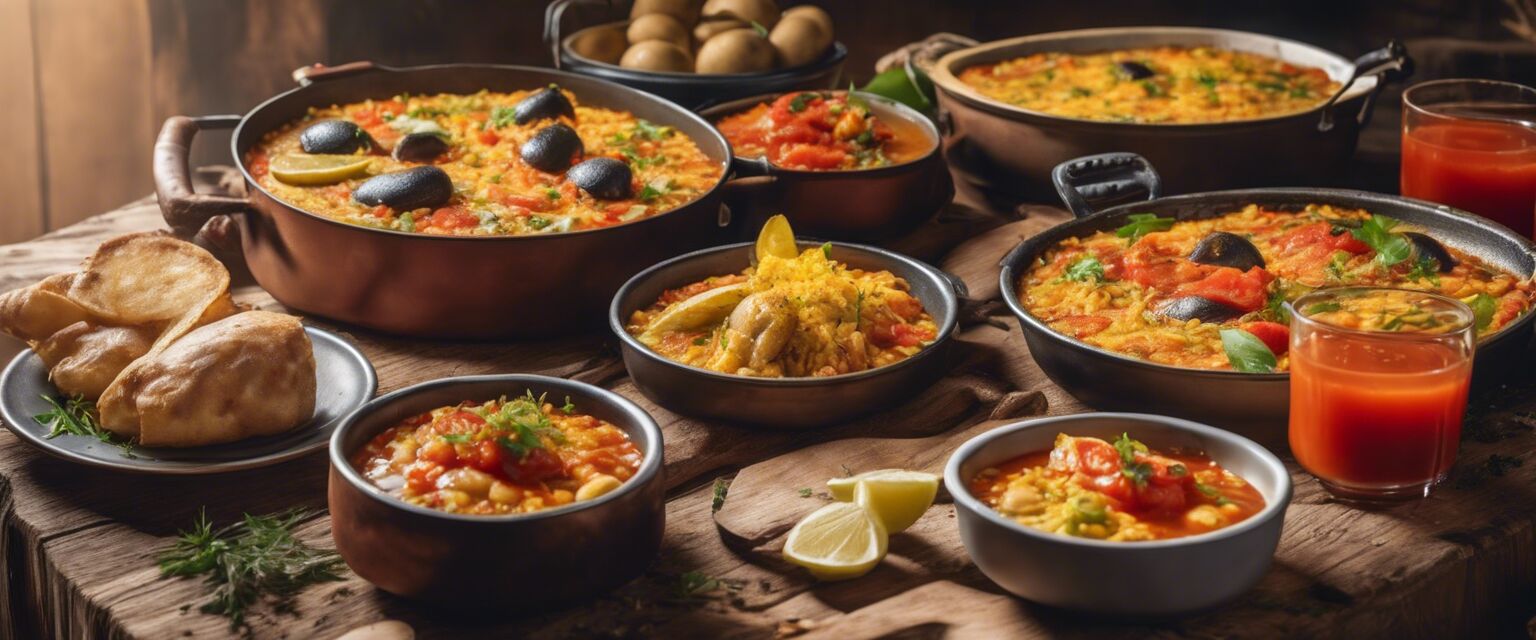
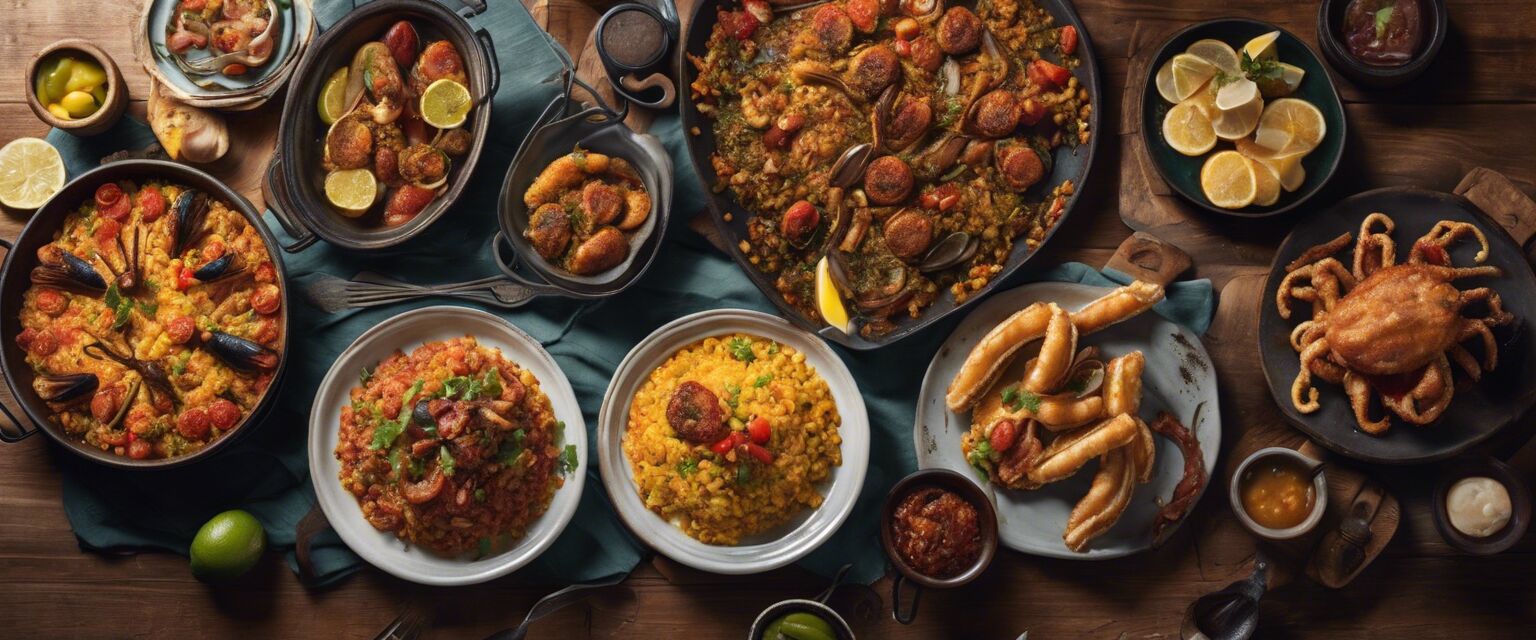
| Valencia | Paella | Rice, saffron, seafood, chicken |
| Basque Country | Pintxos | Tapas, local seafood, meats |
| Catalonia | Escudella i Carn d'Olla | Meat, vegetables, beans |
Culinary traditions
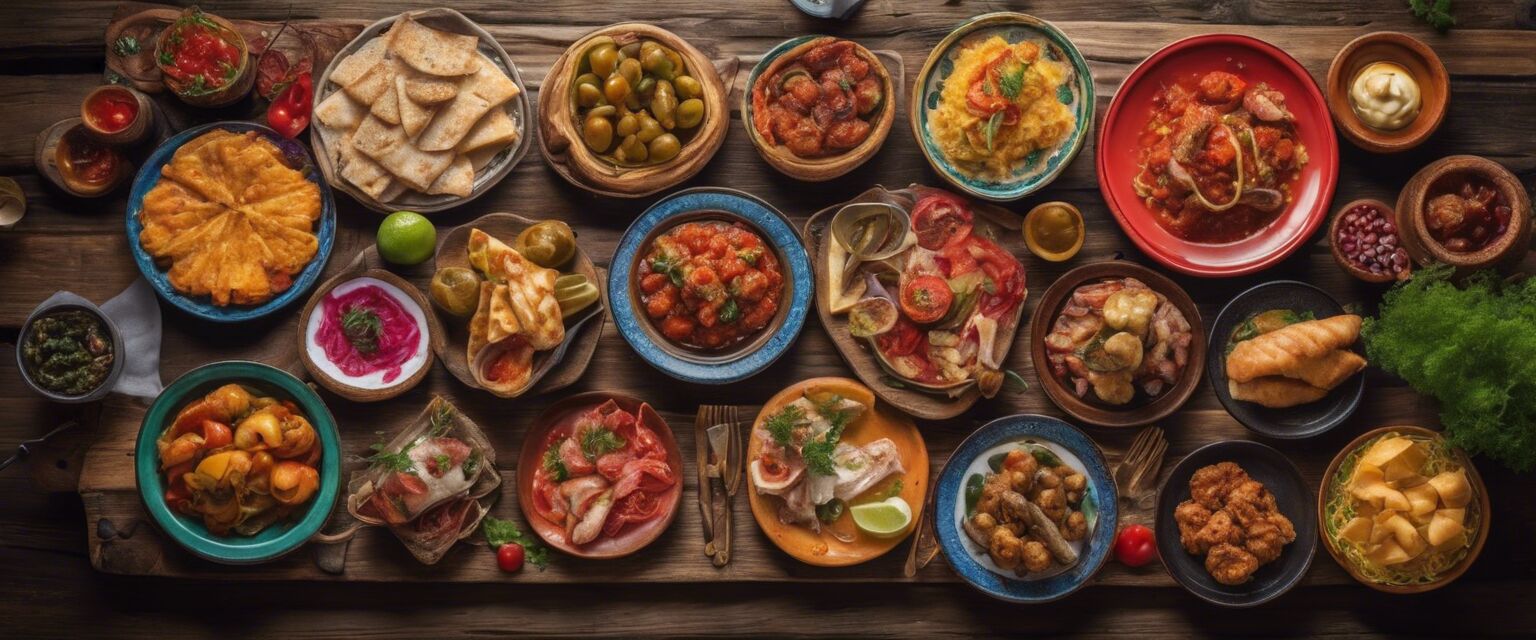
Traditions play a significant role in shaping Spanish cuisine. The practice of sharing small plates known as tapas encourages communal dining and reflection on the food culture.
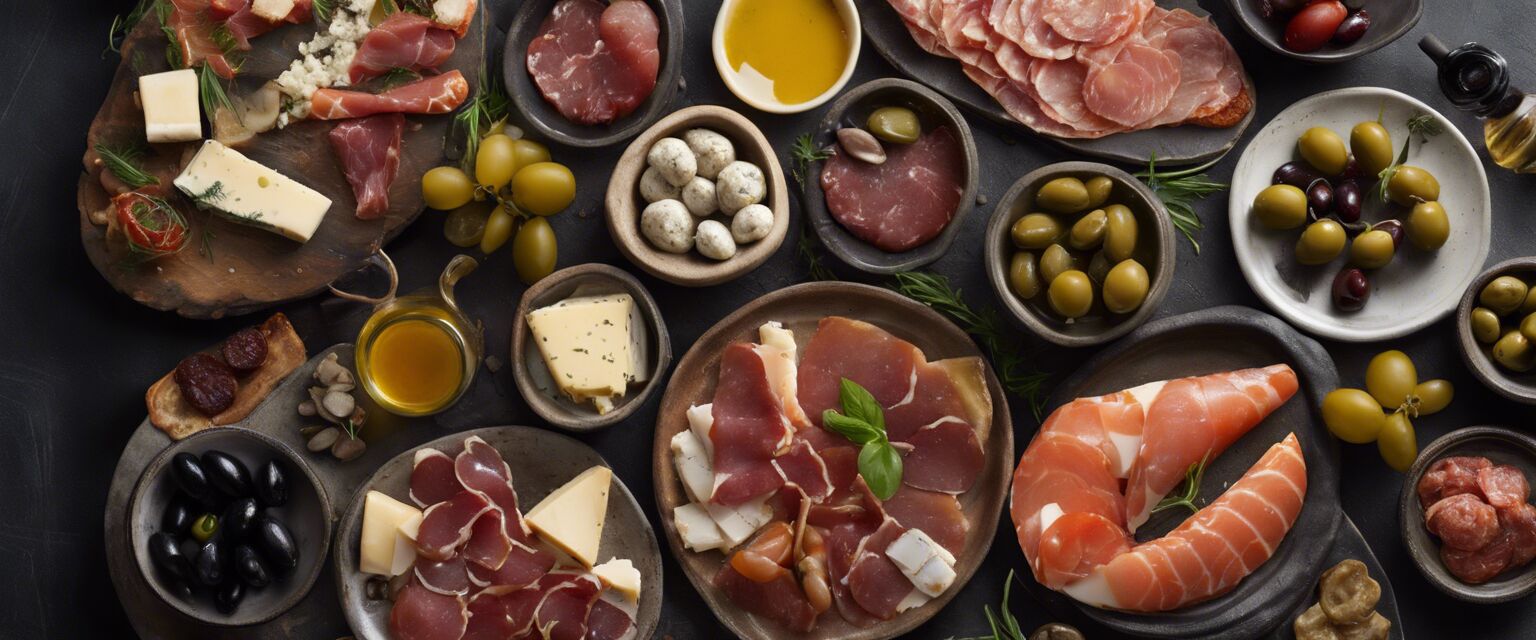
Common culinary traditions in Spain
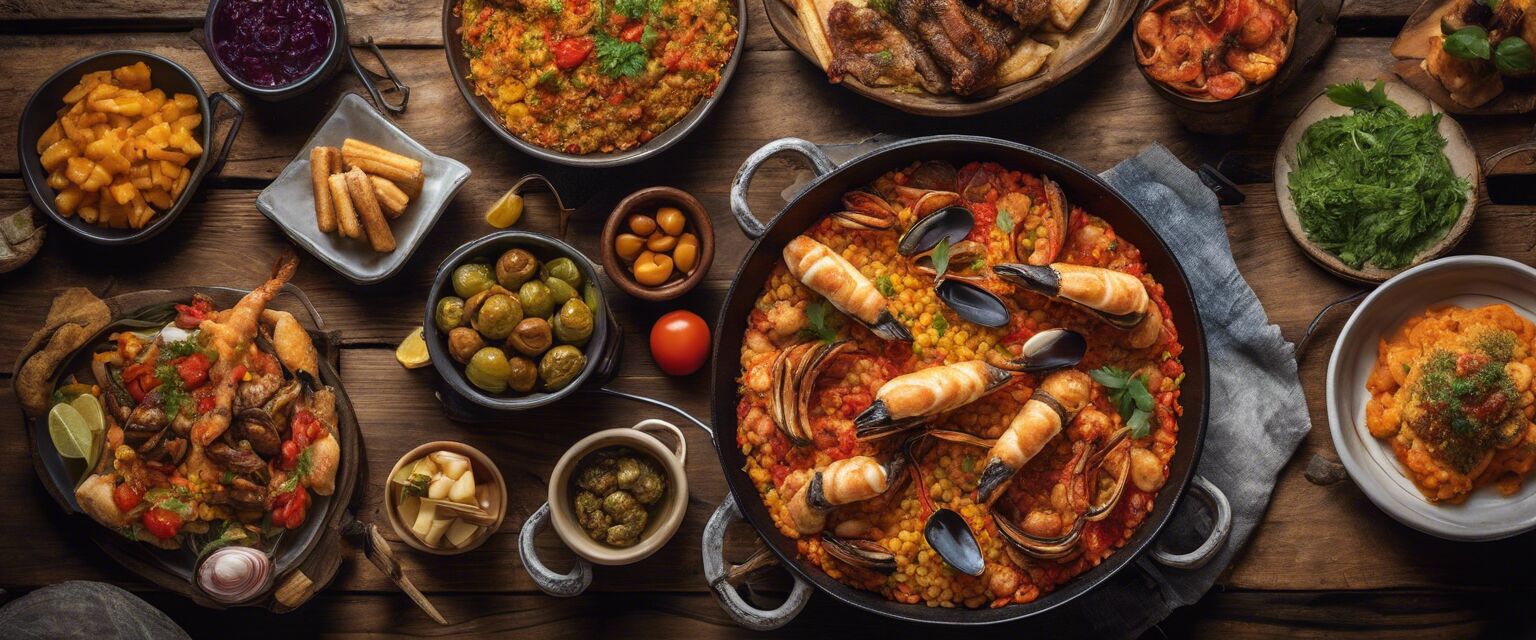
- Tapas: Small dishes served with drinks, perfect for social gatherings.
- Siestas: A traditional afternoon rest that influences meal times.
- Salsas and condiments: Variety of sauces like romesco and alioli used to enhance flavors.
- Dining hours: Spaniards typically eat lunch later in the day, around 2 PM, and dinner around 9 PM.
Essential ingredients in Spanish cuisine
Key ingredients are fundamental to Spanish cooking, enhancing its unique flavors and character. Hereâs a look at some of the most important ones:
| Ingredient | Description |
|---|---|
| Olive oil | Spain is the world's largest producer, essential for cooking and dressings. |
| Garlic | A key flavor enhancer used in a variety of dishes. |
| Paprika | Various types add depth and color to many dishes, notably in stews and meats. |
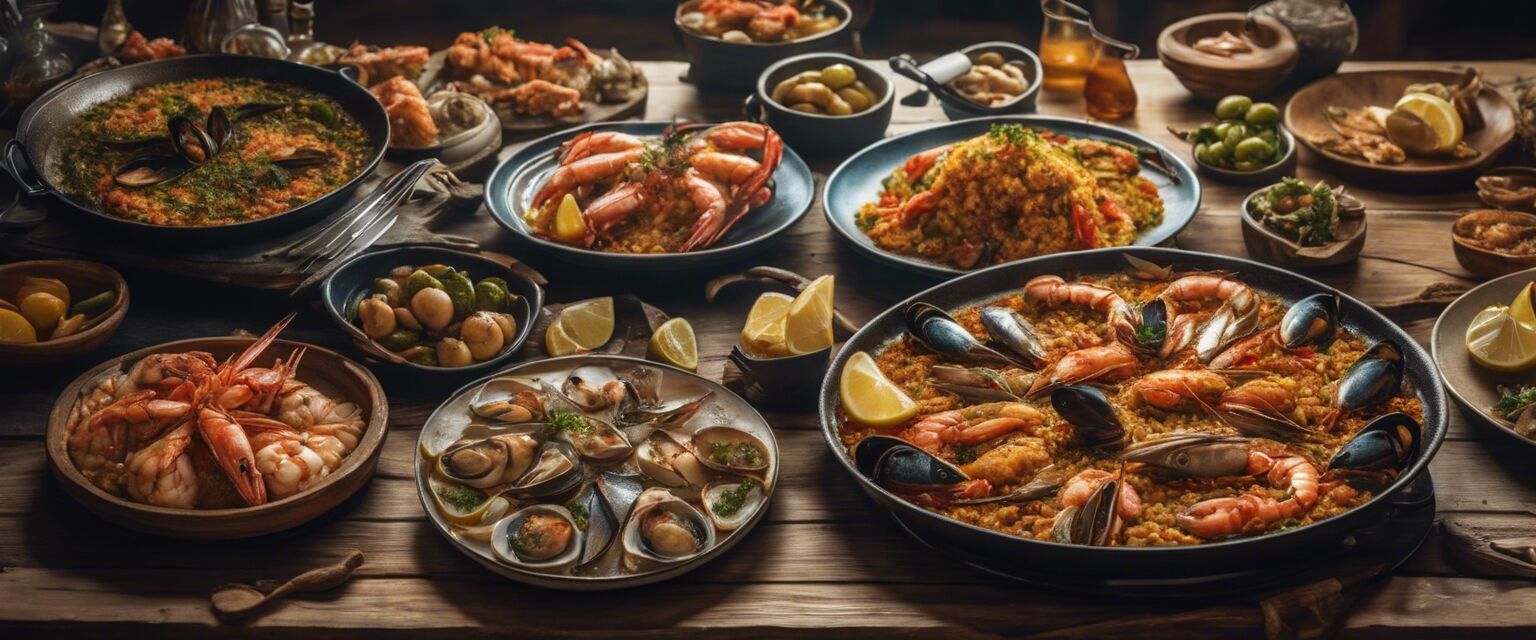
| Seafood | Located near the Mediterranean, Spain has a rich array of seafood dishes. |
These fundamental ingredients are at the heart of some of the most famous Spanish dishes and continue to be cherished by chefs and home cooks alike.
Modern influences and global fusion
In recent years, global culinary trends have influenced Spanish cuisine, leading to innovative dishes that combine traditional flavors with contemporary techniques. New styles emerge while still respecting age-old recipes.
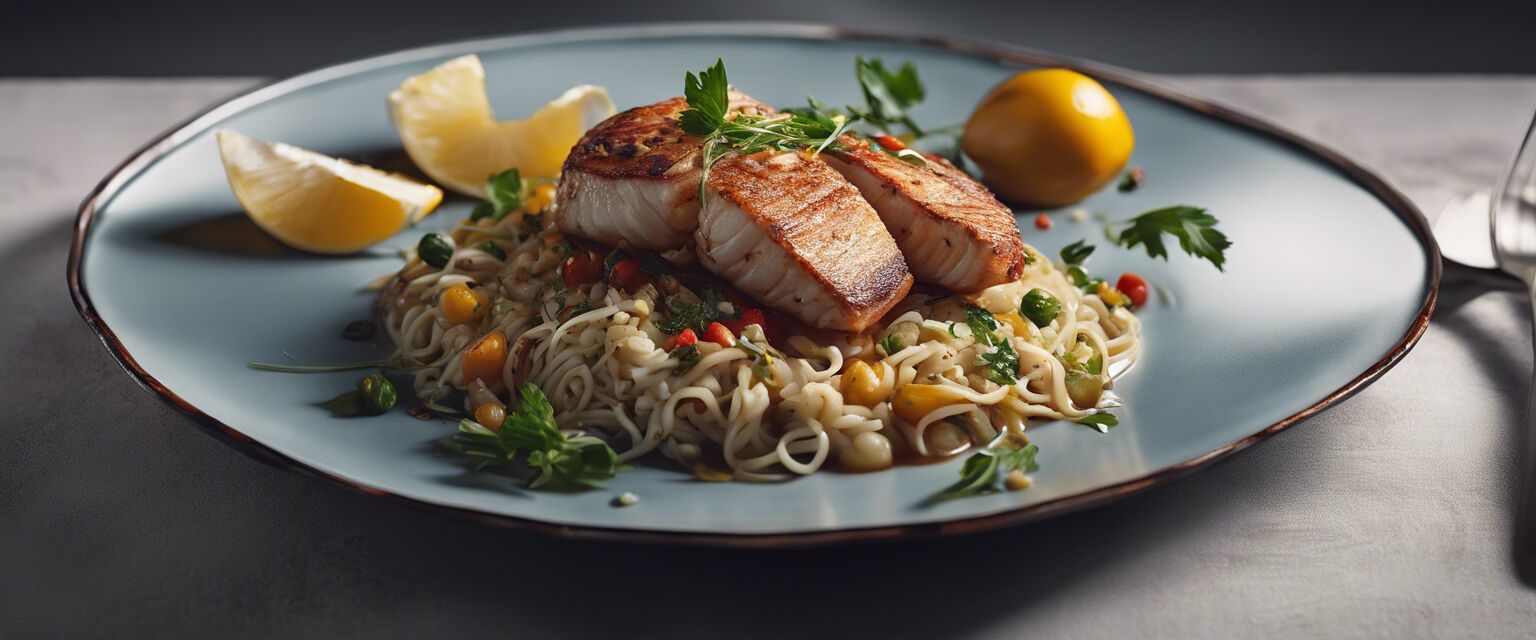
Adapting flavors
Modern Spanish chefs are known for their creativity and willingness to experiment with ingredients and techniques, leading to exciting new interpretations of traditional meals.
Conclusion
The history of Spanish cuisine is a fascinating culinary journey through time, culture, and geography. From its ancient origins to modern-day interpretations, each dish tells a story of the people and places of Spain. Understanding this rich tapestry enhances the appreciation of every meal enjoyed.
Pros
- Rich historical background offers depth to culinary exploration.
- Variety of regional cuisines caters to diverse tastes.
- Traditional and modern dishes provide a balanced culinary experience.
Cons
- Some dishes may require specific ingredients that are hard to find outside Spain.
- Preparation may be time-consuming for traditional recipes.
Tips for enjoying Spanish food
- Explore local markets for fresh ingredients reminiscent of Spain.
- Try making different tapas for gatherings to bring a taste of Spain to your table.
- Pair dishes with regional wines for an authentic experience.
- Research regional specialties to expand your culinary horizons.
For more insights and resources, check out our pages on Gourmet Spanish snacks, Herbal teas and infusions, Olive oils and vinegars, and Sauces and condiments.